Source: Adobe Stock Author: Redaction Another 750 million for the public guarantee The Government has decided to increase the public guarantee for mortgage loans aimed at young people up to the age of 35 by a further 750 million euros. This reinforcement comes as a direct response to high demand from young people, who have been using this solution to finance the purchase of their own homes. With this increase, the public guarantee becomes even more relevant in access to credit. High demand drives the measure Strong uptake of the public guarantee explains the Government’s decision. Many young people have opted for 100% financing , taking advantage of the conditions offered by this initiative. The public guarantee helps reduce risk for financial institutions, facilitating credit approval and encouraging access to housing. Total envelope reaches 2.3 billion With this new reinforcement, the total amount of the public guarantee rises to 2.3 billion euros. This is the second increase since the measure was launched, reflecting its impact on the market. This growth represents a significant rise compared to the initially available amounts, consolidating the importance of the public guarantee as a support instrument. Support for financial institutions The reinforcement of the public guarantee also aims to respond to requests from participating credit institutions and financial companies. These entities have been calling for greater capacity to keep up with growing demand. Thus, the measure not only benefits young people, but also ensures greater stability in the financial system linked to mortgage lending.
Source: Adobe Stock Author: Redaction Decline in housing transactions The residential market recorded a drop in housing transaction volumes at the start of 2026. In mainland Portugal, 37,750 homes were sold, representing a decrease of 9.4% compared to the end of 2025. This reduction in housing transactions indicates a slowdown in activity, although the market remains active in line with the average of recent years. According to recent data, factors such as international instability and expectations of rising interest rates are affecting housing demand and delaying some purchase decisions. Even so, the housing market remains relatively stable compared to previous periods. Housing prices continue to rise Despite the decline in housing transactions, housing prices continue on an upward trajectory. In the first quarter of 2026, prices rose by 4.6% quarter-on-quarter and 21.1% year-on-year, reflecting constant pressure on housing values. This evolution in housing prices is linked to a structural shortage of supply in the market. Even with signs of recovery in construction, the volume of new housing remains below historical levels, supporting price increases. Limited supply pressures the market New housing permits also remain constrained. Over the last year, 41,830 dwellings were approved, less than half of the figure recorded two decades ago. This limitation in housing supply contributes to the imbalance between demand and availability in the housing market. In the same period, applications were submitted for 71,980 new dwellings, but only around 64% were granted permits. This gap reinforces the difficulty in quickly increasing housing supply, maintaining pressure on prices. As a result, the average housing price in mainland Portugal reached €3,262/m² at the start of 2026. In new housing, prices exceeded €4,374/m², while existing housing stood at €2,959/m².
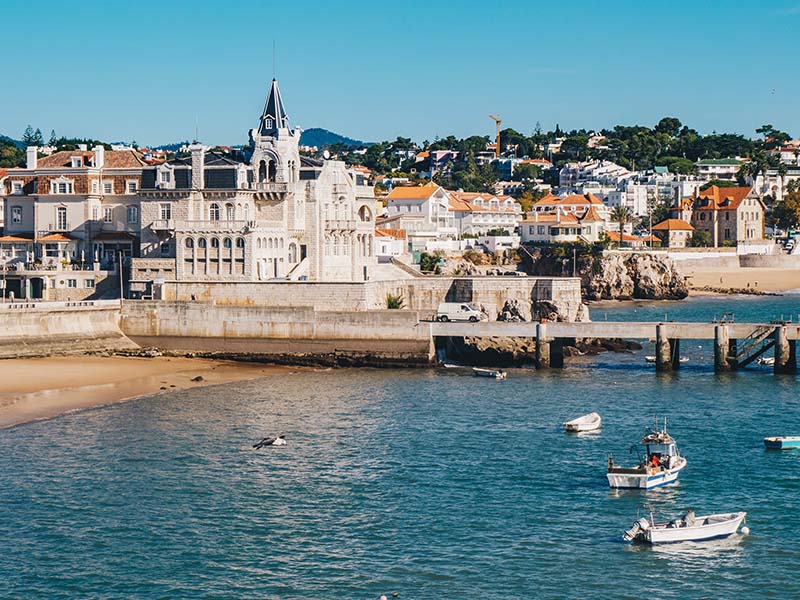
Source: Adobe Stock Author: Redaction High-end housing prices surge High-end housing in Portugal recorded an increase of almost 36% in price per square metre since 2021, reaching around €7,945/m2 at the end of 2025. This increase reflects a consistent appreciation of high-end housing, driven by strong demand and a reduction in available supply in the market. The entry price in this segment also accelerated, with average values close to €6,496/m2, reinforcing pressure on high-end housing in urban and peri-urban areas. High-end housing supply falls Between 2021 and 2025, the supply of high-end housing in Portugal fell by around 24.8%, helping to drive up prices. This reduction in supply has a direct impact on the appreciation of high-end housing, especially in major urban centres. According to sector analysis, this trend is increasingly bringing high-end housing closer to premium and luxury segments, where prices are even higher and supply is more limited. Growth outside city centres The largest increases in high-end housing prices occurred outside traditional city centres. Regions such as Alentejo and Algarve recorded significant appreciation, with new areas gaining demand. Areas such as Comporta, Sines, Grândola or Porto Covo have been attracting more interest, while peripheral areas of Lisbon are also beginning to see greater pressure on high-end housing. Lisbon leads the market Lisbon continues to concentrate most of the high-end housing in Portugal, with Cascais and Estoril standing out and representing around 13% of supply. In these locations, prices can reach between €20,000 and €35,000/m2. Parishes such as Lumiar and Marvila enter the top high-end housing supply for the first time, with very strong growth. In Marvila supply increased by around 335% and in Lumiar by 294%, reinforcing the expansion of this segment in the capital.
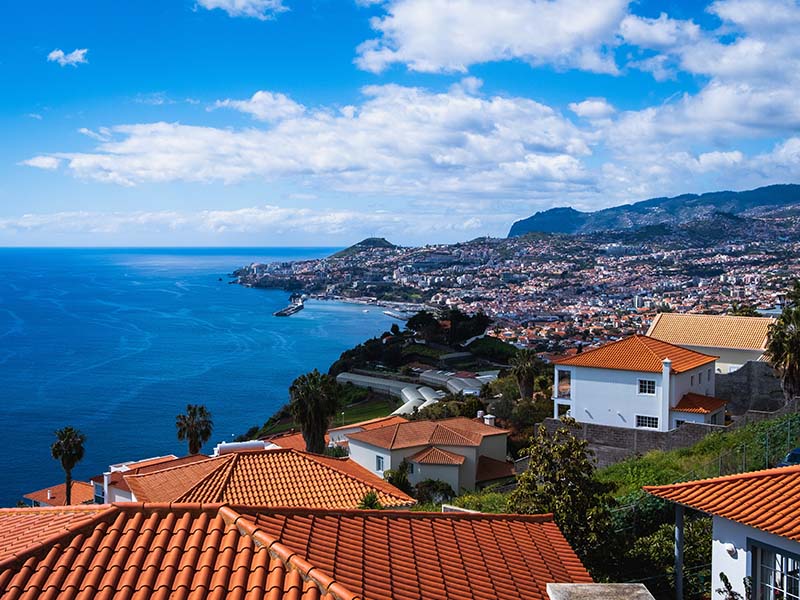
Source: Adobe Stock Author: Redaction Funchal leads foreign demand Funchal currently shows the highest foreign demand for homes in Portugal, reaching around 30% of total housing searches. This foreign demand places the Madeiran capital at the top of international interest, far exceeding the national average. The strong foreign demand in Funchal reflects the region’s appeal as a residential and investment destination. This trend confirms the continued growth of foreign demand on the island of Madeira, despite a decline in completed transactions in recent years. Foreign buyers’ weight in the real estate market Foreign demand continues to play a significant role in the Portuguese real estate market, even with the drop in actual purchases by non-residents. In Funchal, foreign demand remains particularly high, standing out as one of the main drivers of local housing interest. This foreign demand is driven by investors and families seeking stability, quality of life and security. Evolution of international demand in Portugal At a national level, foreign demand remains consistent across major cities, despite changes in tax and legal conditions. Still, foreign demand has not disappeared and continues to represent a significant share of housing searches. International interest is mainly concentrated in urban centres and tourist regions, where foreign demand is seen as a long-term investment opportunity. Differences between Portuguese cities Foreign demand varies widely between Portuguese cities. While Funchal clearly leads foreign demand, other cities such as Ponta Delgada also show high levels. In contrast, cities like Lisbon or Porto record a lower percentage of foreign demand, although still significant. This difference shows how foreign demand is mainly concentrated in island regions and areas with strong tourism appeal.
Source: Adobe Stock Author: Redaction Portuguese strongly growing in the Spanish market Portuguese are increasingly gaining relevance in house purchases in Spain, being the nationality that grew the most among foreigners between the first half of 2024 and the same period in 2025. This increase stands out in the Spanish real estate market, where Portuguese buyers are strengthening their presence in house acquisitions in Spain. Although they represent a small share of total transactions, Portuguese buyers recorded a growth of around 15.9% in house purchases in Spain, consolidating the trend of higher demand from this nationality in the Spanish property market. Market dominated by British and Moroccans The house purchase market in Spain continues to be led by British and Moroccan buyers, who account for the highest volume of transactions. Portuguese buyers appear further behind in absolute numbers, but stand out for their growth in house purchases in Spain, compared with other nationalities showing more moderate variations. Overall, foreigners continue to represent a significant share of housing acquisitions in Spain, with several nationalities competing for properties, especially in urban and tourist areas. Even so, house purchases in Spain by Portuguese buyers have been gaining ground compared to other groups. Price pressure and housing access It is estimated that salaries above four thousand euros are required to buy a home in major Spanish cities, highlighting the pressure in the real estate market. This context directly affects the dynamics of house purchases in Spain, making access to housing more demanding for both residents and foreigners. Despite this, house purchases in Spain by Portuguese buyers continue to grow, following the trend of international real estate investment in the neighbouring country. Recent developments show that, although the market is dominated by other nationalities, Portuguese buyers are among those increasing their presence the most in house purchases in Spain.
Source: Adobe Stock Author: Redaction Profitability in Braga and Viana do Castelo Investing in rental properties in Braga offers a gross yield of 5.6%, while in Viana do Castelo it is 5.2%. These values are below the national average of 6.3% recorded in the first quarter of 2026. Comparatively, there is a slight downward trend compared to the same period in 2025, when the yield was 7.2%, and relative to 2024, with 7.3%. Analysis by district capitals shows Bragança leads in return for investors, with 8%, followed by Castelo Branco (7.9%) and Coimbra (6.5%). Braga and Viana appear mid-table, showing that while attractive, these cities offer more moderate returns for those buying properties to rent. Comparison with other regions and cities At a national level, housing yield shows significant differences between cities. Setúbal offers 5.4%, Ponta Delgada 5.6%, and Leiria 6.1%, while Lisbon has the lowest yield at 4.3%. Porto records 4.9% and Viseu 4.7%, confirming that investor attractiveness depends not only on the purchase price but also on rental demand in each region. Other property types, such as offices, shops, and garages, offer higher gross yields: offices 8.2%, shops 8.1%, and garages 5.5%, reinforcing that diversifying real estate investments can be advantageous. Considerations for investors Gross yield results from the ratio between purchase price and rental value. This indicator allows investors to quickly assess a property’s potential return but should be considered alongside other factors such as location, demand, maintenance costs, and taxes. Although Braga and Viana offer slightly below-average returns, they remain attractive cities for those seeking stability and moderate appreciation. Before investing, it is essential to analyse the potential for net income, acquisition costs, and possible vacancy periods. Based on this data, investors can make more informed decisions about where to purchase rental properties, balancing profitability, security, and liquidity.
Source: Adobe Stock Author: Redaction Price trends in Viseu Buying a house in Viseu has become more expensive over the past year. According to recent data, prices increased by 24.2% in March compared to the same month last year. This rise places Viseu among the district capitals with the highest growth in the property market. Despite this significant increase, buying a house in Viseu remains more affordable than in other cities in the country. The average price stands at 1,374 euros per square metre, still far from the figures seen in major urban centres. Even so, the upward trend has been consistent , reflecting stronger demand and activity in the local market. National property market overview At a national level, buying a house has become more expensive. In March 2026, the average housing price reached a new all-time high of 3,107 euros per square metre, following a 12% annual increase. This marks the fifth consecutive month of record highs in the property market. Among district capitals, Santarém, Guarda and Viseu recorded the highest price increases, while Vila Real was the only city to show a slight decline. Lisbon remains the most expensive market for buying a house, followed by Porto and Funchal, highlighting regional differences across the country. Centre remains more affordable Despite the overall increase in prices, the Centre region continues to stand out as one of the most affordable areas for buying a house. The average price stands at 1,764 euros per square metre, still below the national average. However, this region is also seeing a rising trend, including in inland cities such as Viseu. Buying a house in these areas can still be a more affordable option, but prices show clear signs of growth, following the evolution of the property market in Portugal.
Source: Adobe Stock Author: Redaction Purchase prices vary significantly House prices in Portugal currently range from 157,000 euros to 1.35 million, showing a marked difference between the most affordable municipalities and premium markets. Cascais remains the most expensive municipality, followed by areas in the Algarve and the Lisbon Metropolitan Area, where house prices continue to rise. On the other hand, municipalities such as Beja, Moita and Torres Novas remain among the most economical, although some have also seen significant increases. This disparity shows that location remains a key factor in accessing housing, with prices reflecting both local demand and investment in tourist and residential properties. Rentals follow price increases In renting, the situation is similar, with average values ranging from 575 euros to 2,300 euros. Cascais remains the most expensive municipality to rent, while smaller and less pressured markets, such as Felgueiras or Beja, have more affordable rents. The data show that even in municipalities with lower prices, values have consistently increased, confirming that pressure in the real estate market is widespread and not limited to urban centres. Rent growth reflects continuous demand and limited housing supply, making renting increasingly competitive. General trend and market impact The evolution of the real estate market in Portugal indicates that house prices, both for purchase and rent, continue to rise in almost all municipalities. This scenario reinforces the importance of detailed local analysis for buyers and renters, as price levels are converging between regions and municipalities. The growing valuation of the national territory highlights the need for policies that promote greater housing supply and solutions adapted to local needs. For those interested in buying or renting, attention to location, property type, and price trends becomes increasingly essential in a highly competitive and constantly evolving market.
Source: Adobe Stock Author: Redaction Mortgage Growth Boosted by State Guarantee Around 24% of new mortgages for primary residences recorded financing above 90%, according to the Bank of Portugal (BdP). This increase is mainly due to the public guarantee aimed at young people up to 35 years old, established under Decree-Law No. 44/2024. According to the BdP, 85% of loans under this guarantee had a loan-to-value (LTV) ratio of 100%, while the total of mortgages granted with LTV above 90% rose from 0.1% in 2024 to 19% in 2025. Outside these guaranteed loans, most mortgages maintained an LTV equal to or below 90%, complying with macroprudential recommendations. Distribution of LTV Ratios in New Mortgages BdP data shows that 28% of new mortgages had an LTV between 80% and 90%, while 53% had an LTV equal to or below 80%. The average LTV for all new housing contracts increased from 70% in 2024 to 75% in 2025. For contracts with the State guarantee, the average reached 99%. The drop in credit transfers contributed to the higher average LTV. Mortgages with lower LTV represented only 9% of operations in 2025, compared to 19% in 2024. Average Values and Term of New Mortgages The public guarantee covers up to 15% of the transaction value and applies to contracts signed until the end of 2026. For young people using this guarantee, the average value of new mortgages for primary residences was €207,000, compared to €174,000 for contracts without the guarantee. The overall average contracted value was €183,000, with an average mortgage term stabilised at 32 years.
Source: Adobe Stock Author: Redaction Public guarantee gains weight in housing credit Couples and younger people with lower incomes are increasingly turning to the public guarantee to buy a home. According to the Bank of Portugal, this mechanism has been particularly used by those seeking permanent housing and facing greater difficulties in accessing credit. Data show that around 62% of contracts under the public guarantee were taken out by two borrowers. Among eligible borrowers who did not use this support, most loans were taken out individually. This trend confirms that the public guarantee is mainly used by couples with lower financial capacity. Lower incomes among those using the support The average income of borrowers using the public guarantee is lower than that of other buyers. In joint contracts, the average income stands at €1,412, while in other cases it rises to €1,687. This difference is also seen among those buying a home alone. On average, buyers using the public guarantee recorded incomes of €2,071, below the €2,200 of those who did not use this mechanism. The average age remains similar, at 30 years for individual buyers and 31 years for couples. Effort rate is higher Data from the Bank of Portugal also indicate that those using the public guarantee have a higher effort rate. This indicator measures the weight of loan repayments on monthly income and reflects greater financial pressure. For those who bought a home alone using this support, the effort rate reached 42.8%, while in joint contracts it stood at 39.0%. These values are higher than those recorded among borrowers who did not use the public guarantee, showing greater financial vulnerability. Young people drive growth of the mechanism The public guarantee contributed to increasing the share of borrowers up to 35 years old in housing credit, rising from around 40% to 54%. In 2025, this mechanism accounted for 15% of new contracts and nearly 20% of the total amount of new credit granted. The average loan amount with a public guarantee was €207,000, above the €174,000 for contracts without this support. The total allocation of the measure was increased to €1.55 billion, of which more than half has already been used, confirming strong demand for this instrument.
Source: Adobe Stock Author: Redaction Record High in Median Bank Valuation The median bank valuation in Portugal reached €2,122 per square metre (€/m²) in February 2026, a historic maximum according to the National Statistics Institute (INE). This increase represents a rise of 0.8% compared to January and 17.2% year-on-year. The continuous growth reflects persistent demand in the real estate market, despite the total number of valuations falling 5.4% compared to the previous month, with 29,625 valuations carried out across apartments and houses. Regional Differences: Lisbon and Algarve Lead Regional analysis shows significant disparities. Greater Lisbon recorded valuations 52.4% above the national median, followed by the Algarve (32.8%) and the Setúbal Peninsula (23.0%). In contrast, Trás-os-Montes (-52.5%), Beiras and Serra da Estrela (-51.6%) and Alto Tâmega and Barroso (-50.1%) reported the lowest values. These differences reflect the concentration of demand and property prices in coastal and urban regions compared to the country’s interior. Apartments: 21.9% Year-on-Year Increase Apartments continue to lead in growth, with the median value reaching €2,478/m², up 21.9% from February 2025. Greater Lisbon (€3,298/m²) and the Algarve (€2,856/m²) recorded the highest prices, while Alentejo (€1,477/m²) and the Centre (€1,612/m²) had the lowest. The Autonomous Region of the Azores stood out with the highest year-on-year growth (29.8%). By typology, T1 rose to €3,126/m², T2 to €2,560/m², and T3 to €2,157/m², representing 92.8% of apartment valuations. Houses: Median Value Grows 13.5% For houses, the median valuation reached €1,529/m², up 13.5% compared to the same period last year. The highest values were observed in Greater Lisbon (€2,792/m²) and the Algarve (€2,761/m²), while the Centre (€1,133/m²) and Alentejo (€1,250/m²) recorded the lowest. Typology T2 remained at €1,514/m², T3 increased to €1,506/m², and T4 slightly fell to €1,585/m². These houses account for 87.9% of valuations carried out, consolidating the steady growth of Portugal’s residential market.
Source: Adobe Stock Author: Redaction Rising prices and loss of affordability Buying a house in Lisbon has become increasingly difficult in recent years, with housing prices recording a cumulative increase of around 140% since 2016. A large part of this rise occurred after 2019, a period in which the market accelerated significantly. Despite income growth of around 34% in recent years, this increase has been insufficient to keep pace with price growth. The result is a significant loss of affordability, mainly affecting middle-income families and making access to homeownership more difficult. Housing costs weigh on household income The impact of buying a house in Lisbon is directly reflected in household budgets. The ratio between mortgage payments and median income has increased significantly, exceeding levels considered sustainable. After several years below 30%, this indicator rose rapidly from 2022 onwards, reaching very high levels. In Lisbon, the effort required to buy a median-priced home reached around 102% of a typical household’s income. Even with some recent relief in interest rates, the burden of housing remains above recommended levels, maintaining pressure on families. Restricted market and unequal access Buying a house in Lisbon is now a reality accessible only to a small share of the population. Fewer than 37% of families are able to purchase a home without exceeding an acceptable effort rate. This scenario is worsened by rising rents, which have also seen significant increases, reducing alternatives for those unable to buy. Limited housing supply emerges as one of the main factors behind this situation, contributing to the continuous rise in prices. As a result, buying a house in Lisbon is becoming an increasingly distant goal for many families, reflecting a market marked by strong pressure and inequality in access to housing.


 中文(简体)
 Português
 English
 Français
 Español
 Deutsch
 Nederlands
 Русский