Source: Adobe Stock Author: Redaction Silves stands out in rental demand The municipality of Silves ranks 34th among Portuguese municipalities with the highest demand for houses to rent, according to a recent analysis of the housing market. This result places the Algarve municipality among the most sought-after in the country, in a context where rental pressure continues to grow in several regions. With an average monthly rent of €1,381, Silves stands out for the increasing attractiveness of its property market and the demand for quality of life associated with the Algarve region. The demand for houses to rent in Silves follows the upward trend seen along the southern coast, driven by tourism growth, proximity to coastal areas and the increasing number of families seeking to live permanently in the region. Despite high prices, the municipality maintains a diverse range of options, from homes in the historic centre to rural and coastal areas. Rental trends in Portugal The latest data on the rental market in Portugal reveal that municipalities in the Lisbon metropolitan area continue to dominate the top positions in demand, with Vila Franca de Xira, Moita and Alenquer leading the list. However, Algarve municipalities have gained prominence, with Olhão, Lagos, Portimão, Albufeira and Silves standing out among the most searched. Rents continue to rise in several parts of the country, and half of the 50 most sought-after municipalities have values exceeding €1,000 per month. This increase reflects a shortage of supply and rising demand, especially in areas with strong economic and tourist activity. Lagos is the most expensive municipality among those in high demand, with an average rent of €1,753 per month, followed by Sintra, Oeiras and Albufeira. Silves strengthens its position in the property market The inclusion of Silves among the municipalities most in demand for house rentals confirms the strengthening of its role in the Algarve property market. The balance between tradition, quality of life and proximity to the coast has attracted new residents and investors. In addition, the municipality benefits from its central location in the Algarve, with easy access to cities such as Portimão, Lagoa and Albufeira. With more competitive rents compared to some neighbouring municipalities, Silves presents itself as an appealing option both for those looking for a permanent home and for those wishing to invest in long-term rentals. The growing demand for houses to rent in Silves reflects a sustainable trend, supported by the enhancement of the region and local policies promoting housing and urban rehabilitation.
Source: Adobe Stock Author: Redaction Misericórdia de Lisboa with rents above average The Santa Casa da Misericórdia de Lisboa is placing dozens of properties on the rental market with prices ranging from €1,300 to €4,500 per month. These amounts are well above the new “moderate rent” reference set by the Government at around €2,300 per month. According to the institution, the requested rents are in line with market values, reflecting the overall rise in housing prices in the capital. With around 700 properties already rented, Misericórdia de Lisboa manages one of the largest real estate portfolios in the country. At the same time, the institution is selling nine buildings at public auction valued at €1.8 million, as part of a strategy to balance its accounts and ensure liquidity for its social activities. Homes for rent in several areas of Lisbon On the Santa Casa website, various property types and locations are available, catering to different tenant profiles. The most affordable properties are located in Avenidas Novas, where eight studio flats (T0) of around 46 square metres are available for €1,300 per month. These apartments include a fitted kitchen, parking space, and storage, reflecting the growing demand for compact but well-located housing. For those seeking more comfort, in the same area there are six one-bedroom flats (T1) for €2,200 or a two-bedroom flat (T2) with a terrace for €3,300 per month. In Areeiro, a three-bedroom flat (T3) of 179 square metres is listed for €3,050, while in the Misericórdia parish, in Largo Trindade Coelho, a two-bedroom plus one (T2+1) costs €4,585 per month, one of the highest rents available. These listings show that renting a home in Lisbon remains a challenge, with most offers concentrated in mid- and high-range properties, often out of reach for most Portuguese families. Lisbon rental market remains under pressure Rents in Lisbon have been steadily rising, driven by a shortage of available properties and strong demand from both national and international tenants. While the Government promotes affordable housing programmes and rent support measures such as Porta 65 , the prices practised in Lisbon continue to push young people and families away from urban centres. The Lisbon rental market remains heavily pressured, with average rents exceeding €20 per square metre, making the city one of the most expensive in Europe to live in. The role of the Santa Casa da Misericórdia de Lisboa in this context highlights the difficulty of balancing financial sustainability with social responsibility. With rents ranging between €1,300 and €4,500, the institution’s properties reinforce the upward trend in prices and underline the urgency of finding fairer housing solutions.
Source: Adobe Stock Author: Redaction Rents rise across the country Renting a home in Portugal became more expensive in October, with an average increase of 5.7% compared to the same month last year. The average rental value reached €17 per square metre, confirming the upward trend in prices nationwide. Rents increased in all district capitals and autonomous regions, with particularly sharp rises in Viana do Castelo, Faro, Santarém, and Viseu. These increases reflect the imbalance between housing demand and supply, especially in urban and tourist areas, where renting a home in Portugal is becoming increasingly costly. Lisbon remains the most expensive city Lisbon continues to lead the ranking of cities with the highest rents, with an average price of €22.8 per square metre. Porto follows with €18.3/m² and Faro with €15.8/m². These three cities represent the main housing demand hubs, driven by the concentration of employment, services, and tourism. In contrast, Viseu, Vila Real, and Castelo Branco maintain the most affordable rents in the country, with values between €7.5 and €8/m². However, even in these areas, renting a home in Portugal is becoming more expensive, following the national upward trend. Alentejo records the highest annual increase Among the regions, Alentejo stood out with the highest annual rent rise, registering an increase of 16.1%. It is followed by the Centre (11.3%) and the Azores (10.9%). The Algarve and the North also recorded positive, though more moderate, variations. The Lisbon Metropolitan Area remains the most expensive region, with €20.2/m², followed by the Algarve (€16/m²) and Madeira (€15/m²). Meanwhile, Alentejo, the Centre, and the Azores continue to offer more affordable options, with average values between €10 and €11.5/m². This price gap highlights the growing inequality in access to housing in Portugal. Limited supply drives rent pressure The rise in the cost of renting a home in Portugal is largely due to the shortage of available properties on the market. New construction has not kept pace with demand, especially in major cities and coastal areas. As rents increase, many families struggle to find housing at prices compatible with their available income. This pressure is likely to continue in the coming months unless effective measures are implemented to increase supply and balance the rental market. The SUPERCASA portal makes it easier to search for a home in Portugal, gathering thousands of updated property listings across the country and allowing quick and secure price and region comparisons.
Source: Adobe Stock Author: Redaction Rental market remains under pressure Portugal’s rental market is going through a period of strong pressure, with demand far exceeding available supply. During the third quarter of 2025, each home listed for rent received an average of 23 enquiries before being withdrawn from platforms, showing the ongoing imbalance between supply and demand. Despite a slight slowdown compared to 2024, families’ interest in rental housing options has remained strong. The rise in rental prices and the difficulty of accessing mortgage credit continue to push many households towards the rental market, especially in urban centres and regions with greater economic activity. This situation reflects stable demand but also a structural shortage of available housing. Renting remains the main housing alternative for much of the population, but the lack of supply prevents a significant drop in monthly prices. Cities with the highest demand for rental homes Among the Portuguese cities with the highest number of enquiries per listing, Santarém and Ponta Delgada stand out, both showing strong demand for housing. They are followed by Portalegre, Leiria, Évora and Setúbal, where renting continues to see intense competition among families looking for a home. Cities such as Bragança, Guarda and Coimbra also maintain a considerable level of enquiries, reflecting growing interest in areas outside major urban centres. Meanwhile, Lisbon and Faro, although still facing high rental market pressure, recorded a slight reduction in the average number of contacts per property, indicating a somewhat more balanced supply. This trend highlights the expansion of demand to less saturated regions with more affordable prices, where renting still represents a viable alternative for middle-income families. The increased interest in inland cities and the islands, such as Guarda and Ponta Delgada, reinforces the geographical diversification of the housing market. Limited supply and persistently high prices Despite some signs of stabilisation, Portugal’s rental market remains characterised by high rents and insufficient supply compared to demand. The imbalance between the number of available homes and families seeking housing continues to push up monthly costs and limit access to accommodation. In many parts of the country, rental properties remain available for only a few days due to strong demand. This situation contributes to the rapid absorption of housing stock and growing difficulty in finding suitable options, both in terms of price and location. The shortage of new construction aimed at the rental market exacerbates the problem, particularly in the metropolitan areas of Lisbon and Porto. Experts argue that increasing supply and promoting urban rehabilitation programmes are essential measures to ease market pressure and ensure more affordable rentals. Meanwhile, renting continues to stand out as the preferred choice for Portuguese families seeking stability, flexibility and proximity to city centres, even as prices remain above the European average. If you’re looking for a house to rent, you can visit the SUPERCASA portal and browse the listings available across the country.
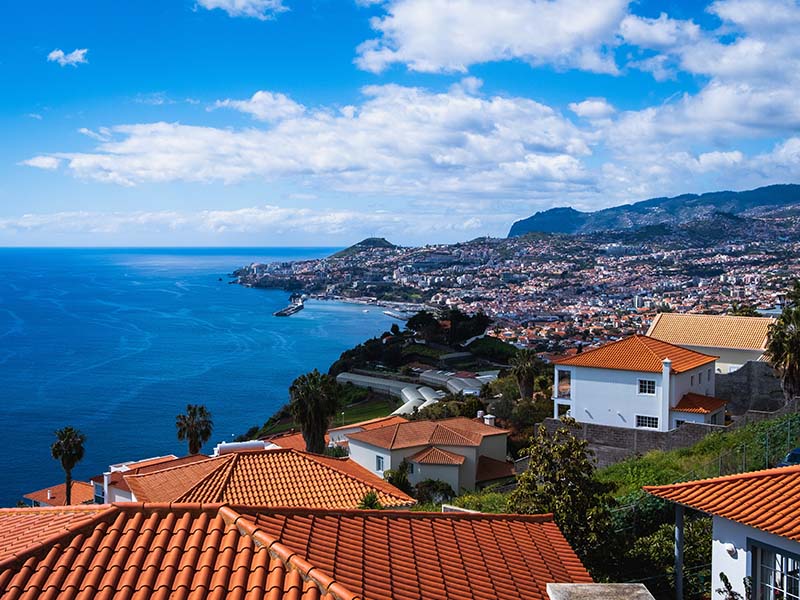
Source: Adobe Stock Author: Redaction Moderate rents dominate the rental market Moderate rents account for 75% of homes available for rent in Funchal. The category was defined by the Portuguese Government to classify properties with monthly rents between €400 and €2,300, covering most of the supply in the national market. According to the analysis, 81% of rental properties in Portugal fall within this price range. The purpose of this definition is to allow a clearer understanding of different housing realities and to support public policies tailored to each segment. Three categories are therefore distinguished: low rents (below €400), moderate rents (€400 to €2,300) and premium rents (above €2,300). In general, most Portuguese municipalities have over half of their supply concentrated in the moderate rent range, showing the broad scope of this bracket and the shortage of truly affordable housing. Lisbon and Cascais stand out for higher rents The data reveal that the cities with the highest percentage of premium rents are Lisbon, Cascais, Porto, Oeiras and Loulé. In Lisbon, 27% of available homes exceed €2,300 per month, while in Cascais more than half of the listings (53%) fall within that range. Porto, on the other hand, has only 9% of properties above that amount, showing a stronger concentration in moderate rents. Lisbon has 73% of its housing stock within the moderate range, followed by Porto (91%), Gaia (89%), Coimbra (98%), Faro (76%) and Funchal (75%). These figures show that even in the most expensive cities, most rentals still fall within the range defined by the Government. Conversely, the supply of low rents (below €400) is increasingly scarce. Covilhã leads this segment, with 15% of homes priced under that threshold, followed by Paredes, Vila Real and Bragança, each with 7%. In 49 municipalities, including Lisbon and Porto, there are no available properties below €400. Funchal follows the trend but faces new challenges The concept of moderate rents aims to standardise price analysis across the country, providing a clearer view of regional disparities and tracking market trends. In Funchal’s case, the fact that three out of four homes fall within this range indicates relative balance but also a growing scarcity of more affordable rentals. Madeira’s property market has been shaped by several factors, including rising tourist demand, foreign investment and a limited supply of permanent housing. These factors have contributed to price inflation, making it increasingly difficult for young people and local families to access long-term rentals. As the Government seeks to strengthen affordable housing programmes, monitoring moderate rents becomes essential to assess the impact of public policies and ensure a balanced market evolution. The findings of this study show that housing affordability is not only a national issue but also affects the autonomous regions, requiring measures tailored to their specific realities. For those looking to rent a home in Funchal, several options within the moderate rent range can be found on the SUPERCASA property portal.
Source: Adobe Stock Author: Redaction Affordable housing in Lisbon’s historic centre Lisbon City Council has announced the opening of a new call for the rental of 102 municipal homes at affordable rents, targeted at young people aged up to 35. Applications are open until 5 p.m. on 22 October and can be submitted through the Habitar Lisboa platform. The homes included in this call are located in the parishes of Misericórdia, Campo de Ourique, Estrela, Campolide, São Vicente and Santa Maria Maior central and emblematic areas of the capital. These properties are part of the municipal portfolio and are currently undergoing refurbishment under the Recovery and Resilience Plan (PRR). The works are expected to be completed by June 2026. Support for young people and urban revitalisation The aim of the call is to help young people settle in the city, facilitating access to housing in areas where the cost of living and rent prices have driven away new residents. Through this programme, the municipality seeks to revitalise historic neighbourhoods and promote social diversity, offering rents compatible with the incomes of young workers and students. According to Lisbon City Council, this initiative is part of the municipal strategy to increase the supply of affordable housing, ensuring that the city centre remains inhabited by different generations. The affordable rent programme also aims to combat the depopulation of historic districts and attract new residents to areas that have become less accessible due to housing market pressure. Applications and selection criteria Applications must be submitted exclusively online, where applicants can find all information about the available typologies, property locations, floor plans and expected rental values. Candidate selection will be carried out through a lottery, ensuring transparency and equal opportunities for all participants. According to the municipality, this call forms part of the commitment to refurbish municipal assets and increase housing availability. The homes are being upgraded with a focus on energy efficiency, accessibility and comfort, responding to the needs of those seeking a home in the city centre. More calls and a focus on inclusive housing Lisbon City Council highlights that this call is another step in implementing the Municipal Housing Charter, which prioritises housing solutions for young people and families with middle incomes. The municipality has been developing policies that balance urban regeneration with access to housing, through programmes that combine affordable rents with public investment. At the same time, another affordable rent call is currently open, this one with no age limit, offering 86 homes across various parishes of the city, with applications also open until 22 October. The municipality reinforces that the affordable housing policy is a key pillar in ensuring a more inclusive city, where young people can build their future without having to leave Lisbon. The 102-home programme is, therefore, another contribution to a vibrant, diverse city with real opportunities for housing access.
Source: Adobe Stock Author: Redaction Final INE Data and Application of the Increase The rent increase in 2026 is expected to be 2.24%, slightly below the provisional estimate of 2.25% published by the National Statistics Institute (INE) at the end of August. The final data reveal that over the past 12 months until August the average variation of the consumer price index excluding housing reached exactly 2.24%. This indicator serves as the basis for the coefficient used in the annual update of rents under the New Urban Lease Regime (NRAU). The 2.24% value represents an acceleration compared to the rent update applied in 2025 which was 2.16%. This moderate growth indicates slight inflationary pressure in the housing sector but within sustainable limits without causing a sharp increase that could compromise family budgets. How the Rent Increase is Calculated The coefficient defining the rent increase follows a legal formula based on the evolution of the consumer price index (CPI) excluding housing reflecting the actual inflation observed in the Portuguese economy. This method ensures that rents track the cost of living balancing the interests of landlords and tenants. The 2.24% rate for 2026 was determined by considering the average prices over the past 12 months avoiding sharp fluctuations that could impact families and landlords. It is important to note that this update is only indicative until its official publication in the Diário da República which is the legal document formalising the rent increase. Furthermore the annual rent update does not automatically apply to all contracts. Landlords are required to formally notify tenants and only after a 30-day prior notice can the increase be effectively charged. This procedure aims to avoid surprises and ensure that tenants have time to adjust their household budget. Market Impact and Balancing Measures The rent increase in 2026 of 2.24% will have a direct impact on family budgets although moderate. Inflation trends and costs associated with maintenance and property taxes may make this increase relevant for tenants with lower incomes or living in urban areas with high demand. The Portuguese real estate market continues to face structural challenges such as a shortage of rental housing in certain cities and coastal municipalities. The annual rent update allows landlords to compensate partly for inflation while providing predictability for tenants. The moderate rent increase in 2026 helps maintain a balance between supply and demand and encourages investment in the housing sector. Experts consider that keeping relatively low limits on rent updates helps prevent additional inflationary pressures in the housing market and protects vulnerable families. At the same time it provides landlords with legal and economic security allowing them to continue investing in maintenance and property rehabilitation. The final 2.24% coefficient reflects a commitment to economic stability family protection and the promotion of a fair and balanced rental market. This value also demonstrates that rent increases follow inflation responsibly remaining affordable for tenants and sustainable for landlords. With the 2026 update the market is expected to remain predictable allowing tenants and landlords to plan their budgets in advance. The moderate rent increase represents a necessary but balanced adjustment between increasing landlords’ income and protecting tenants’ purchasing power.
Source: Adobe Stock Author: Redaction The Institute for Housing and Urban Rehabilitation (IHRU) has acknowledged serious difficulties in responding to over 50,000 beneficiaries of the Extraordinary Rent Support Programme (PAER) whose cases remain pending. The institute admits that the rent support system has structural flaws, causing significant delays and lack of communication with citizens. The IHRU president described the situation as extremely serious, noting that many families are affected by failures in allocation and payment mechanisms. Various housing rights groups, including civic associations, have reported the slowness and lack of responses from the institute, highlighting cases of vulnerable families left without support for months. Structural flaws and impact on families The problem, according to IHRU, lies in the programmes design, which automatically registers beneficiaries based on defined criteria. Any inconsistencies in data result in immediate suspension of payments, forcing citizens to visit service offices located only in Lisbon and Porto. This limitation has led to long queues and numerous complaints. Currently, an estimated 129,000 families are covered by PAER, but almost half remain without a definitive resolution. IHRU is attempting to strengthen human and technological resources to meet the high demand, although it recognises that the process requires a deep restructuring of the programme. Housing advocacy groups stress that the institutes contact channels, such as phone lines and online portals, are often inaccessible, making problem resolution difficult and preventing effective monitoring of cases. This lack of communication has generated frustration and distrust among beneficiaries, many of whom rely on the support to cope with rising housing costs. Government prepares programme review IHRU admits that PAER’s design has contributed to current constraints. Lack of interoperability between systems and delays in data exchange among public entities have compromised the institutes responsiveness. Nonetheless, the agency assures that the Government is aware of the situation and is working on a programme review to simplify procedures and improve coordination between services. While solutions are pending, the impact on families continues to grow. With rising inflation and cost of living, rent support is seen as essential to prevent defaults and evictions. The current challenge is to make the system more agile and accessible, ensuring that support reaches those who need it most and that the right to housing is effectively guaranteed.
Source: Adobe Stock Author: Redaction Thousands of families still without rent support Hundreds of families across the country have been without rent support for several months, despite assurances that payments would resume. The programme was created to offset rising housing costs and assist households with lower incomes, but delays in payments have left many people in severe financial hardship. Since the start of the year, nearly 130,000 tenants have had their rent support suspended, with no clear explanation for the delay in regularisation. Affected families now face increasing difficulty maintaining financial stability, as housing and utility expenses become harder to manage. Promised back payments still pending In August, authorities announced that payments would resume the following month, covering overdue amounts since January. Despite that promise, the process remains incomplete. The responsible institute confirmed that back payments would be made in October, yet thousands of beneficiaries are still waiting for regularisation. For many tenants, rent support is essential to meet monthly obligations and avoid contractual default. The prolonged delay has forced numerous families to seek help from charities or temporary local aid, underlining the importance of this subsidy in maintaining housing stability. Administrative failures and pending cases Many of the unresolved cases stem from administrative errors, poor communication between entities and difficulties in matching fiscal and social data. These issues have led to automatic suspensions and blocked applications, even for those meeting all eligibility criteria. Tens of thousands of applications are still awaiting review or correction, extending the uncertainty and increasing the number of families left without support. Between May 2023 and June 2025, nearly a thousand formal requests for clarification were submitted, highlighting the programme’s social impact and management inefficiencies. The importance of rent support for housing stability Rent support plays a crucial role in protecting the right to housing and preventing contract defaults. In a context of high rental costs and reduced purchasing power, this aid is essential to ensure that families can remain in their homes. The prolonged suspension of the subsidy has direct consequences, including an increased risk of eviction, mounting debt and declining social stability. Many households depend on rent support to pay their rent on time and maintain a balanced life, especially in urban areas with high housing costs. Partial regularisation and future prospects In recent months, some cases have been resolved, allowing payments to resume for thousands of families. However, a significant number of beneficiaries are still waiting for their rent support to be reinstated. Authorities estimate that by October 2025, the total number of active beneficiaries will once again exceed 140,000 families. Solving the problem fully will require simplifying procedures and strengthening the human and technological resources dedicated to the programme. The goal is to ensure that rent support reaches those who need it regularly and reliably, preventing further interruptions and ensuring that public investment serves its social purpose. The ongoing impact of delays Delays in granting and paying rent support have caused financial and emotional strain for vulnerable families. Uncertainty about the continuity of this assistance undermines confidence in the social protection system and widens inequality in access to housing. Ensuring timely rent support payments is therefore vital to ease pressure on household budgets and strengthen social cohesion. Effective implementation of the programme remains a priority to guarantee that all Portuguese families can live with dignity and stability in their homes.
Source: Adobe Stock Author: Redaction The Portuguese Government has announced an innovative model for using State-owned assets through the concession of public properties under private management. The measure was designed to increase the supply of housing, bringing to the market so-called “moderate” rents — that is, below €2,300 per month. It forms part of the new housing package, which combines the sale of part of the State’s properties with the concession of others to private entities or public–public partnerships, such as local councils. With this model, the aim is not only to make use of vacant or underused public assets but also to ensure that their occupation responds to concrete market needs, particularly in cities where housing pressure is greatest. What changes with this model The main innovation is the concession of properties that remain publicly owned but are operated by private entities for long periods — between 35 and 55 years. During this time, the concession holders are required to place the properties on the rental market while complying with two criteria: • Maximum moderate rent value: €2,300/month. • Minimum rental contract: three years, ensuring stability for tenants. This definition is part of the concept of housing at moderate prices, which also includes the sale of homes for up to €648,000. Sale and concession: two distinct approaches The Government has decided to move forward on two fronts: • Public auction sale of nine properties, mainly in Lisbon, which may be purchased by private entities for uses not limited to housing, always with the goal of generating income from State assets. • Concession of 14 public properties under private management, intended for residential rental at moderate prices, within a public–private partnership framework or directly with municipalities. This sharing of responsibilities between the public and private sectors seeks to reconcile two objectives: on one hand, maximising revenue from strategic assets; on the other, ensuring the availability of housing with some degree of economic accessibility. Moderate prices: reality or challenge? Although the €2,300 limit is described by the Government as “moderate”, this amount is almost three times the national minimum wage and well above the average income of most Portuguese families. For this reason, critics argue that the measure mainly benefits the urban upper middle class. Even so, it represents a way of intervening in the market, allowing the rapid mobilisation of properties and an increase in available housing in critical areas such as Lisbon, Setúbal and Porto, where demand far exceeds supply. The role of the private sector Private entities play a central role here in the rehabilitation and management of public assets. As they are responsible for the properties for decades, they are expected to invest in refurbishment and maintenance, ensuring that the buildings remain habitable and attractive. In return, they benefit from stable and predictable operation, albeit limited by the moderate rent conditions. This model of public properties under private management also promotes competitiveness in the sector, creating opportunities for developers and investors to participate directly in public housing policies. Potential benefits Among the expected outcomes are: • Greater utilisation of State-owned assets, many of which are vacant. • An increase in the supply of housing in high-demand areas. • Creation of more stable rental contracts, lasting at least three years. • Possibility of reinvesting revenue from property sales into new housing policies. Criticism and limitations Despite its intentions, there are doubts about the real impact on solving the housing crisis. For many, a rent of €2,300 does not fit the concept of affordability, as it far exceeds the capacity of middle-income families. Moreover, the geographical concentration of the properties (mainly in Lisbon and Setúbal) may limit the national scope of the measure. Another concern relates to the slowness of actual project development. Long-term concessions and complex negotiation processes could delay the entry of properties into the market, reducing their immediate effectiveness. The model of public properties with private management represents a strategic Government initiative to strengthen the rental market with so-called moderate prices. Although the maximum values are above the reality of most Portuguese households, the measure could help stimulate supply in critical areas and give new purpose to underused public assets. Its effectiveness will depend on the ability to execute, the speed of project implementation and the coordination between private entities, local authorities and the State. Only in this way can this solution evolve from a political promise to an effective contribution to addressing the housing crisis affecting thousands of families in Portugal.
Source: Adobe Stock Author: Redaction The reduction of the IRS rate on property income from 25% to 10% is one of the most significant measures in the new government housing package. This decision creates advantageous conditions for landlords with IRS relief, particularly in Lisbon and Porto, where, despite the perception that rents are always high, most available properties are below the maximum defined value of €2,300. In practice, this means that thousands of property owners will benefit from a lower tax burden without needing to reduce the rents they currently charge. The measure, designed to stimulate the supply of moderately priced housing, allows rents to remain competitive while simultaneously creating a fiscal incentive that may attract more properties to the rental market. The Rent Ceiling and the Lisbon Market An analysis of the market shows that Lisbon, despite being the city under the greatest real estate pressure, has a significant volume of rental properties below the maximum eligible value for IRS reduction. Out of nearly 6,000 listed properties in the municipality, around 67% have rents equal to or below €2,300. These are mainly T1 and T2 properties, but there are also T3 and T4 apartments within the limit, showing that the market still offers a variety of options for those looking for a home in the capital. Although one-third of the market is above €2,300—especially in central or premium areas—the reality shows that the majority of rentals in Lisbon do not exceed this value and therefore fall under the new tax regime. Porto: Moderate Rents in Most of the Market In Porto, the situation is even more notable. With over 3,000 rental properties available, around 89% are below €2,300. Only a small portion of the Porto market is excluded from the tax benefits. This highlights an important difference between Lisbon and Porto: while the capital experiences greater international and tourist pressure, increasing prices in some central areas, Porto offers a consistent majority of properties with moderate rents, covered by the IRS reduction. 75% of Properties in Both Cities Benefit from Relief Combined, the two markets show that 74.8% of properties listed for rent in Lisbon and Porto are below the €2,300 threshold. This means landlords with IRS relief do not need to change current prices to benefit from the measure. Furthermore, the measure does not prevent future rent increases: landlords can raise rents as long as they do not exceed the limit, maintaining the fiscal advantage. This raises questions about the actual impact on housing affordability, as the benefits mostly reach owners already well positioned in the market. What Changes for Landlords For property owners, the calculation is straightforward: moving from a 25% to a 10% rate on rental income increases net profitability, making real estate investment even more attractive. At the same time, landlords renting above €2,300 may reconsider prices and adjust slightly to qualify for the benefit, particularly if the difference is small. The measure also provides an indirect incentive to bring currently vacant properties into formal rental, reducing the motivation to leave homes empty. The Impact on Tenants For those seeking housing, the measure can be interpreted in two ways. On one hand, it increases confidence in seeing more supply on the market, as the fiscal incentive may encourage more landlords to rent. On the other hand, as the benefit does not require lowering rents, there is no immediate guarantee of greater affordability. The risk is that the incentive functions more as a boost to landlords’ profitability than as a direct measure to control prices. Nevertheless, by reducing the tax burden, it creates conditions for some landlords to prefer stability with long-term contracts and greater predictability in income. Landlords with IRS relief are among the main beneficiaries of the new fiscal package. In Lisbon and Porto, where three out of four properties are already below the defined threshold, the vast majority of owners will not need to make any changes to take advantage of the measure. The direct impact on rent prices may be limited, but the measure could strengthen market stability and attract more supply. Its effectiveness will largely depend on how landlords choose to manage this advantage: whether as an opportunity to earn more while keeping rents fair, or merely as an additional bonus in a market already marked by scarcity and price pressure.
Source: Adobe Stock Author: Redaction Support for affordable housing is at the centre of the Government’s strategy to tackle the housing crisis affecting thousands of families in Portugal. In recent years, it has become clear that public programmes have been slow to deliver, falling short of ambitious targets. To reverse this trend, the Council of Ministers approved changes to the 1st Right programme and announced new instruments for mobilising public and private assets, while also promoting legal changes designed to bring greater speed and predictability to the sector. Strengthening the 1st Right programme At the heart of the measures is the 1st Right, a programme funded through the Recovery and Resilience Plan (PRR). This scheme supports municipalities and entities in the construction and rehabilitation of homes for families in housing need. However, implementation has been slow, with results far below expectations. The changes now approved aim to correct the course: support for affordable housing will now be made available more quickly, ensuring the immediate payment of contracted support for works already completed or in an advanced stage. The Government stresses that this decision is intended not only to accelerate processes, but also to build trust among local promoters, ensuring that resources reach the ground effectively. The target remains to serve the 133,000 households identified by Local Housing Strategies, but deadlines require a more intense pace of execution. Expanding the supply of housing Support for affordable housing is not limited to rehabilitation or construction through public authorities. The Government believes that boosting the private sector is key to increasing supply and balancing the market. For this reason, it has also announced measures aimed at streamlining legal procedures and opening the door to new forms of construction, such as the use of modular building in public contracts. This model, faster and more cost-effective, allows housing to be delivered more quickly, providing an immediate response in situations of housing pressure. In addition, amendments to the Public Procurement Code will extend the thresholds for direct award and prior consultation, speeding up the contracting process and reducing obstacles. Partnerships for Rental Among the most relevant new initiatives is the Partnerships for Rental programme, a tool designed to expand support for affordable housing by mobilising properties owned by the State and public entities. In these spaces, in collaboration with private investors, it will be possible to create rental projects at moderate prices, adjusted to the reality of Portuguese families. The main objectives of these partnerships include: Bringing underutilised public properties onto the rental market. Strengthening cooperation between the State and the private sector to increase housing supply. Targeting offers mainly at urban areas and regions under greater price pressure. Providing stability for investors through a framework with less uncertainty. Offering a faster response to families’ needs. With this measure, the Government seeks to ensure that support for affordable housing reaches more people outside traditional public policy channels, creating a mixed model that reshapes the functioning of the market. Less bureaucracy and more financing The Government is also focused on cutting bureaucracy. One example is the removal of the obligation to integrate artistic works in affordable housing projects with controlled costs. This change, although symbolic, cuts costs and shortens deadlines. In addition, financing contracts linked to the promotion or purchase of properties for affordable housing will no longer require prior inspection by the Court of Auditors. This simplification will allow municipalities, for example, to secure loans under more favourable conditions and move forward with their projects without excessive delays. By providing predictability, these changes also encourage private investors who, until now, have shown little confidence due to regulatory instability. Strengthening financial resources To ensure financial sustainability, the Government has also approved the public auction of properties owned by the State and by the public company ESTAMO. The proceeds from these sales will be channelled directly into affordable housing programmes, strengthening investment capacity without increasing budgetary pressure. Likewise, a financing agreement signed with the European Investment Bank will open up new credit lines to support housing projects until 2030. Future and public debate Support for affordable housing does not end with these measures. Further changes are being prepared, particularly to tenancy law. The removal of the 2% cap on rent increases and the simplification of evictions will be controversial topics at the next Council of Ministers meeting. These proposals divide tenants and landlords, but the Government argues they are essential to restore stability and confidence in the rental market. The strategy is clear: less bureaucracy, more supply, and greater balance between public and private initiatives. The success of the plan will depend on the speed of implementation and the commitment of municipalities and investors. The announced changes represent a decisive reinforcement of support for affordable housing in Portugal. By accelerating existing programmes, creating new partnerships, easing procurement rules, and mobilising public assets, the Government aims to ensure that more families gain access to decent housing. What remains is for implementation to match ambition and for financial resources to be properly applied. Only then will it be possible to transform this support into a structural response to the housing crisis facing the country.


 中文(简体)
 Português
 English
 Français
 Español
 Deutsch
 Nederlands
 Русский