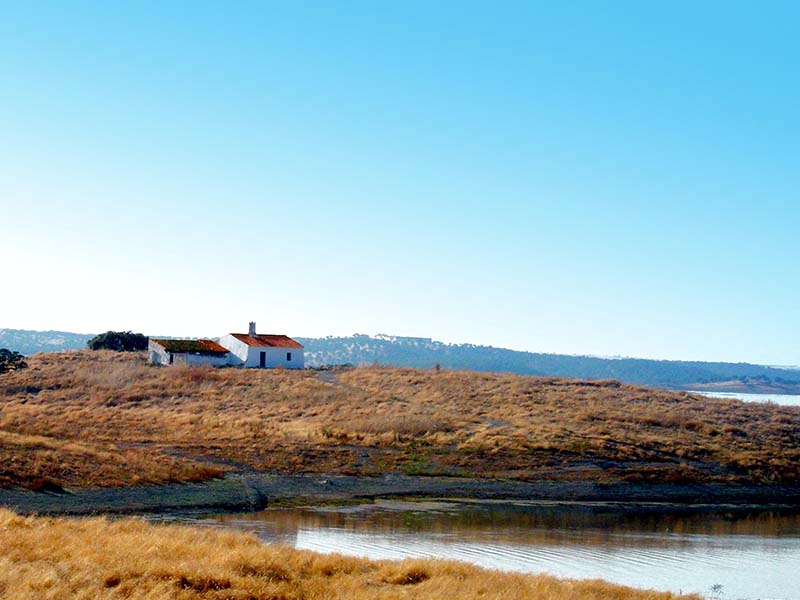
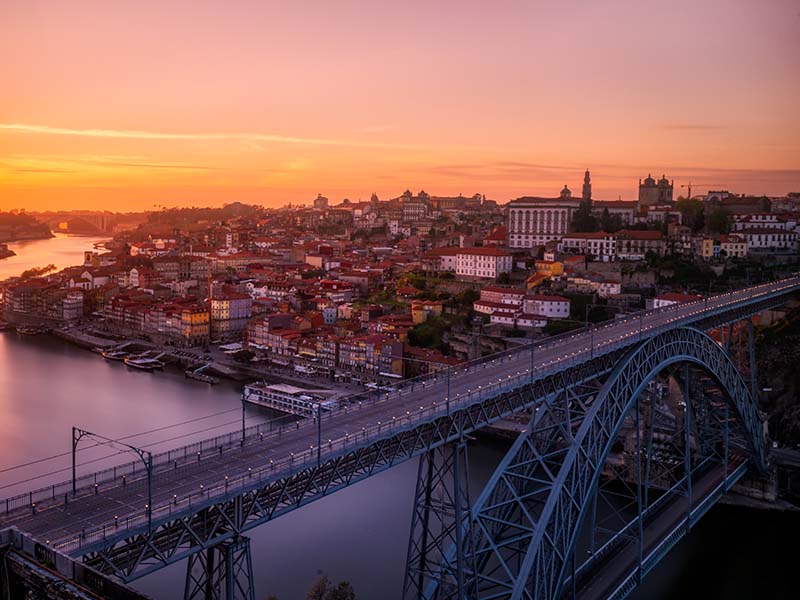
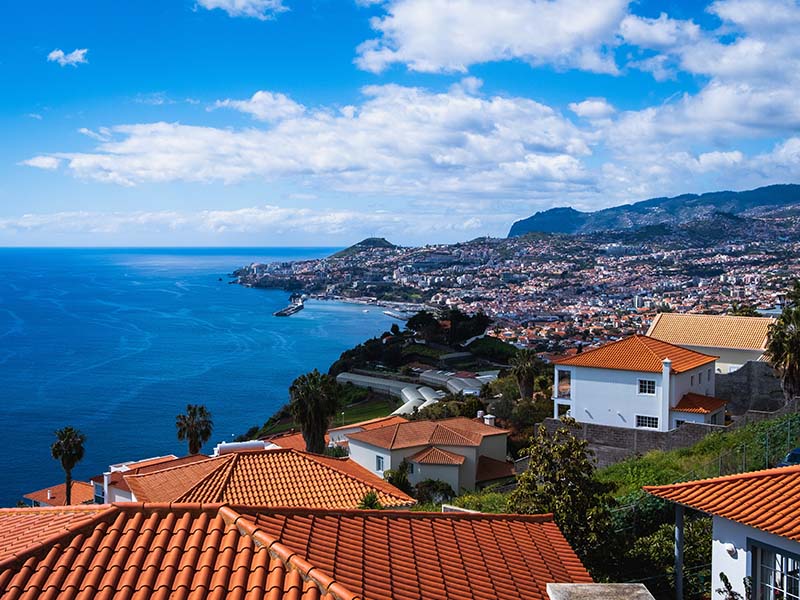
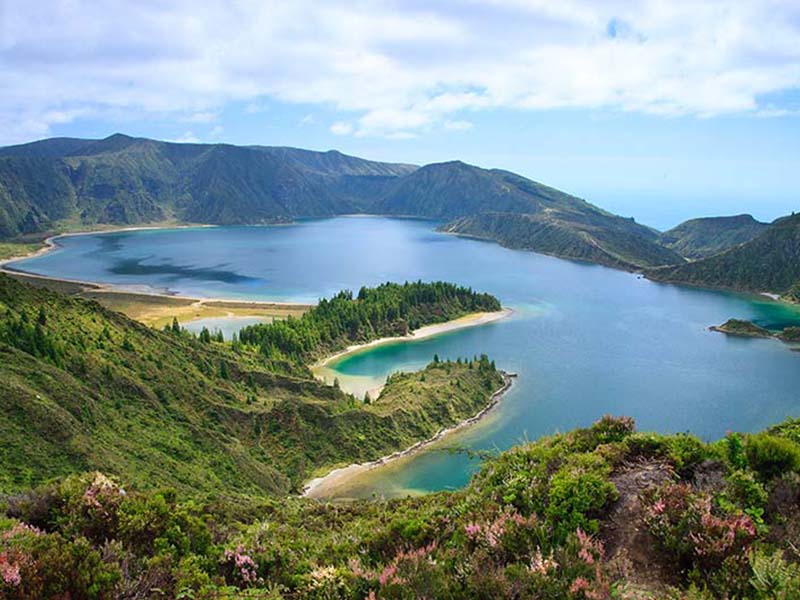
Source: Adobe Stock Author: Redaction A perfect getaway within Portugal Choosing Portuguese destinations for a stress-free weekend is a simple way to recharge without long journeys. From north to south, Portugal offers options that combine nature, culture and good gastronomy. These Portuguese destinations stand out for their tranquillity, natural beauty and ease of access, making them ideal for those looking for a short but refreshing break. Caminha: nature, history and Minho flavours Among Portuguese destinations in the north, Caminha is a choice that surprises. Located in the district of Viana do Castelo, it combines the charm of the Minho coast with a calm and welcoming atmosphere. Moledo beach is known for its iodine-rich waters, appreciated by those who value wellbeing. Beyond the beach, Caminha offers a well-preserved historic centre, pleasant terraces and gastronomy marked by fresh fish and traditional flavours. Its proximity to Galicia is another attraction, allowing the getaway to be enriched with a quick visit to Spain. It is one of the Portuguese destinations perfect for relaxing without haste. Porto Covo: the charm of the Alentejo coast On the Alentejo coast, Porto Covo stands out among the most sought-after Portuguese destinations for rest. The village gained fame through its connection to music, but wins visitors over with its natural landscape and unhurried pace. Pessegueiro Island and the old fort are must-see sights. The beaches are varied and suit different preferences, from the long Praia Grande to smaller, more sheltered coves. Porto Covo is one of the Portuguese destinations ideal for those seeking sea, silence and good food. Berlengas Islands: a natural refuge in the Atlantic The Berlengas Islands are, without doubt, one of the most unique Portuguese destinations. Located off the coast of Peniche, they form part of a natural reserve recognised by UNESCO. Berlenga Grande is the only island that can be visited and enchants with its clear waters and wild landscapes. This archipelago is perfect for those who enjoy close contact with nature, wildlife observation and underwater activities. Among Portuguese destinations for a different kind of weekend, the Berlengas offer a unique experience, far from the stress of everyday life.
Source: Adobe Stock Author: Redaction Flavours that Define the Journey For many travellers, an experience is more than landscapes or monuments: gastronomy plays a central role. Culinary travel allows people to explore cultures, aromas, and traditions through taste, making each destination memorable. Among the most fascinating places, San Sebastián stands out for the charm of its pinxtos, small tapas served with drinks that celebrate simple yet intensely flavoured ingredients. The vibrant atmosphere of bars and historic streets provides the perfect setting for those travelling in search of authentic experiences, turning a stroll into a culinary adventure. In Kuala Lumpur, travel unveils markets and streets where the fusion of aromas and colours is intense. Laksa curry is a classic example of this diversity, combining noodles, shrimp, chicken, tofu, and vegetables, creating a unique sensory experience. Here, every meal tells a story, and travellers quickly learn that choosing the stall with the longest queue is almost a guarantee of flavour and local tradition. Immersive Experiences in International Destinations Tokyo, Japan, is a must-visit for travellers interested in haute cuisine. Sushi is served meticulously, emphasising technique and ingredient freshness. In visits to cities like Tokyo, travellers learn that every detail matters: the rice, the cut of the fish, and the interaction with the chef transform the meal into a true cultural experience. In the United States, Austin, Texas, barbecue is more than food: it is a social ritual. Slowly smoked brisket, seasoned only with salt and black pepper, is one of the most cherished specialties. For travellers, waiting in line becomes part of the experience, offering moments of social interaction among strangers and highlighting the importance of travel as a collective and sensory experience. In Bangkok, Thailand, street food dominates the experience. Dishes such as som tum salad, made with green papaya, peanuts, and shrimp, reveal the intensity and complexity of the local cuisine. For travellers, exploring the city’s chaotic and vibrant flavours is a way to discover the essence of Thai culture, blending aroma, colour, and texture that remain in memory long after returning home. The Importance of Culinary Travel These experiences show that travel is much more than moving from place to place: it is an opportunity to explore the world through flavour. Destinations combining tradition, innovation, and authenticity attract travellers seeking more than tourism, aiming to connect with local culture at every meal. Gastronomic trends for 2026 indicate that today’s travellers value immersive experiences, sustainability, and local products, making each destination an unforgettable chapter in their journey. Exploring markets, tasting traditional dishes, participating in shared dining events, and discovering unknown ingredients are increasingly valued practices. Gastronomy thus becomes an essential tool to understand cultures and enrich travel, providing moments that go far beyond mere eating. As travel increasingly gains relevance as a complete cultural experience, world-renowned destinations continue to attract visitors seeking new sensations and the opportunity to create memories through food. From pinxtos and curries to sushi, barbecue, and exotic salads, every journey becomes a sensory exploration, highlighting a form of tourism that celebrates flavour, tradition, and authenticity.
Source: Adobe Stock Author: Redaction Historic Centre: A Journey Through Time Getting lost in the streets of Rossio is immersing yourself in Viseu’s history. Rua Direita and Rua Escura hold centuries of tradition, with Gothic windows and stately façades. The Adro da Sé stands out with the imposing Cathedral, the Paço dos Três Escalões, home to the Grão Vasco Museum, the Keep Tower, and the elegant Igreja da Misericórdia, whose rocaille façade contrasts with the surrounding granite. Every step through the historic centre reveals details that make Viseu a vibrant and captivating city. Garden City: Nature and Tranquility Viseu is synonymous with greenery and well-being. Parque do Fontelo offers shaded trails for walks or picnics, while Parque Aquilino Ribeiro, in the heart of the city, is perfect for leisure moments. The Cava de Viriato, a former Roman military camp, recalls the legacy of the legendary Lusitanian hero. Whether relaxing, jogging, or simply enjoying the view, the Garden City invites you to slow down and enjoy contact with nature. Charming and Historic Accommodation As night falls, resting in a space with soul is essential. The Pousada de Viseu Historic Hotel & Spa, housed in the former Hospital of São Teotónio, combines elegance and comfort. With spacious rooms, a spa in the former chapel, pools, and regional gastronomy, the hotel guarantees a complete experience. The Claustro do Mestre Grão Vasco offers live music, and the space is pet friendly, allowing everyone to enjoy the stay. Dão Wines and Beira Cuisine Viseu is the heart of the Dão region, one of Portugal’s most prestigious wine areas. Local reds and whites impress with elegance and personality. Visit the Vinha Urbana in the city centre, the Solar do Vinho do Dão, or explore regional estates where nature and wine merge. The gastronomy completes the experience: Vitela de Lafões, Polvo à Lagareiro, Cabrito da Beira, and the innovative Alheira Sphere with Serra da Estrela cheese. To finish, the classic Pastel de Vouzela accompanied by a glass of Dão wine. Viseu offers a perfect blend of history, nature, wine, and traditional flavours. In just 48 hours, it’s easy to fall in love with the Garden City and feel the urge to return for new discoveries.
Source: Adobe Stock Author: Redaction International recognition for Portuguese rural tourism In 2025, Loriga, Mértola and Vila Nogueira de Azeitão were awarded the Best Tourism Villages seal by UN Tourism, reinforcing Portugal’s prestige in rural tourism. This recognition highlights villages that successfully combine cultural identity, heritage preservation and sustainable development, offering authentic and responsible experiences. International acknowledgement helps attract visitors seeking less crowded destinations while supporting the local economy and community retention. Loriga, Mértola and Vila Nogueira de Azeitão in focus Loriga, located in the Serra da Estrela, stands out for its mountain scenery, granite architecture and strong connection to nature. Known as the “Portuguese Switzerland”, it is an ecotourism destination prioritising tranquillity, natural trails and local traditions. Mértola, in Alentejo, is considered a true living museum. Its historic heritage, shaped by Roman and Islamic influences, combines with the proximity of the Guadiana Valley Natural Park, creating a destination where history and nature coexist. Vila Nogueira de Azeitão, nestled between hills and vineyards, is recognised for wine tourism, gastronomy and historic estates. The village preserves a traditional lifestyle, values local products, and maintains balanced tourism growth. What sets Best Tourism Villages apart Villages awarded by UN Tourism share key characteristics that explain their success. Commitment to sustainable tourism is central, ensuring a balance between visitors, the environment and the community. Cultural and historical heritage is valued, preserving traditions and local identity. The seal also promotes sustainable economic development, attracting tourists seeking genuine experiences and generating local income. Finally, integration into a global network of best practices allows sharing knowledge and strategies with rural destinations worldwide. The impact of the Best Tourism Villages seal in Portugal The Best Tourism Villages seal is valid for three years and requires ongoing monitoring by UN Tourism to ensure sustainability criteria are met. For Portugal, this distinction reinforces the country’s image as a responsible and diverse tourism destination. Beyond these three villages, other Portuguese localities have previously been recognised, consolidating a national network of excellent rural tourism. This recognition helps decentralise tourism, valorise the interior regions, and promote a more balanced and lasting growth model.
Source: Adobe Stock Author: Redaction Travelling in January is an excellent option for those looking to escape the crowds and discover Portugal in a more relaxed way. This month reveals an authentic country, with serene landscapes, more accessible cities and experiences that go unnoticed at other times of the year. Travelling at this time allows you to better enjoy heritage, nature and gastronomy, without haste and with greater comfort. Choosing to travel at the beginning of the year brings several advantages. In addition to lower tourist numbers, there is greater availability in accommodation and restaurants, making short breaks more flexible. Winter travel also invites you to explore national destinations from a different perspective, whether for walks, moments of well-being or cultural visits. Portuguese destinations ideal for winter travel The south of the country and the islands stand out for travelling in January due to the milder climate. Madeira offers pleasant temperatures and green landscapes, ideal for outdoor walks and contact with nature. Trips to the island allow you to explore trails, gardens and viewpoints, combining rest and discovery. The Algarve continues to be a sought-after destination for travel outside the high season. Beaches become more tranquil and coastal trails are perfect for walks by the sea. Historic towns and fishing villages take on a different rhythm, making trips more authentic and relaxing. In the Azores, travelling in January is synonymous with direct contact with nature. The volcanic landscape, lagoons and thermal areas create a unique setting for those seeking different experiences. Even in winter, trips to the region allow you to enjoy natural environments and comforting gastronomy. Nature trips and outdoor experiences For those who prefer nature-focused travel, January is a surprising month. Mountain ranges and natural parks are calmer, ideal for walks and outdoor activities. Trips to Serra da Estrela offer the chance to experience winter in full, with mountain landscapes and seasonal activities. The north of the country also stands out for winter travel, with natural parks where trails become quieter and more immersive. Trips to these regions allow you to explore forests, valleys and villages, far from the fast pace of everyday life. Further south, coastal trips remain appealing. Cliffs, viewpoints and paths by the sea provide moments of contemplation and well-being, even on cooler days. January is ideal for travel that combines light physical activity and rest. Cultural trips and indoor activities Not all winter travel needs to depend on the weather. January is an excellent month for cultural trips, with museums, exhibitions and historic spaces more accessible. Major cities offer a wide cultural programme, perfect for those who prefer indoor activities. Urban trips allow you to discover permanent collections, temporary exhibitions and science centres, ideal for families or for those who want to enjoy their time in comfort. These trips are also an opportunity to explore local gastronomy, with richer and more comforting seasonal dishes. In summary, travelling in January in Portugal is a smart choice for those seeking diversity, tranquillity and authentic experiences. Whether in nature, on the islands, along the coast or in cities, this is a month that invites you to travel with more time, less haste and a stronger connection to destinations.
Source: Adobe Stock Author: Redaction Nature and Adventure Destinations Next year promises destinations that combine breathtaking landscapes with unforgettable experiences. In Australia, Uluru offers multi-day walking expeditions through dunes and little-explored plains, ideal for those seeking an immersive nature trip. In Costa Rica, the Osa Peninsula stands out for its unique biodiversity, where tropical forests and national parks allow sightings of exotic species and participation in surfing or yoga retreats in nature. For intimate safaris, Samburu in Kenya is a perfect destination, away from typical tourist routes and offering memorable encounters with wildlife. Coastal and maritime regions are also a safe bet. The Oregon Coast in the United States is perfect for exploring lighthouses, beaches, and whale watching, while Uruguay offers tranquil beaches and relaxing scenery. For mountain and trail enthusiasts, the Slocan Valley in British Columbia, Canada, provides hiking, cycling, and direct contact with pristine nature. The Komodo Islands in Indonesia are ideal for exotic adventures, combining unique landscapes with local wildlife observation. Urban and Cultural Destinations Those who prefer cultural and urban experiences will also find fascinating destinations. Oulu in Finland is one of the European Capitals of Culture in 2026, offering exhibitions, events, and unique gastronomic experiences. Trenčín in Slovakia combines historical heritage with contemporary art, presenting a year-long programme of cultural activities. For historical European getaways, Guimarães in Portugal is an excellent choice, with ancient streets, historic monuments, and a strong connection to local culture. In the United States, Philadelphia stands out for celebrating historical and cultural events throughout the year, making it an ideal destination for those wanting a mix of history and entertainment. Abu Dhabi in the United Arab Emirates offers modern architectural and cultural experiences, from museums to iconic urban landmarks. Montenegro charms with views over the Adriatic coast and historic cities full of character, perfect for more relaxed trips. Other notable destinations include Chile, with the Colchagua Valley and picturesque vineyards; the Cook Islands, for those seeking paradisiacal beaches; and Phnom Penh in Cambodia, with culture, gastronomy, and history. Santo Domingo in the Dominican Republic combines historical heritage with leisure and entertainment, making it a complete destination to explore. Ishikawa in Japan blends tradition and modernity, offering unique cultural travel experiences. These destinations for 2026 offer a variety of experiences, ranging from full nature adventures to cultural and urban getaways, ensuring options for every type of traveller. Plan ahead, choose the destinations that best suit your interests, and get ready to explore places that promise to make every trip memorable.
Source: Adobe Stock Author: Redaction The year 2026 promises to be spectacular for astronomy enthusiasts, with meteor showers, solar and lunar eclipses, and unique planetary alignments. These astronomical events are an opportunity to observe the night sky like never before. 3–4 January – Quadrantids Meteor Shower The year begins with the Quadrantids meteor shower, known for producing dozens of shooting stars per hour. However, the Full Moon on the same night will make the fainter meteors less visible. Still, there is always a chance to spot an extra bright fireball, making the spectacle worth watching. 29 January – Conjunction of Venus and Mercury At the end of the month, Venus and Mercury will align close together in the West-Southwest sky, visible shortly after sunset. This is a relatively rare astronomical phenomenon and easy to observe with the naked eye. 3 March – Total Lunar Eclipse In the early morning of 3 March, a total lunar eclipse will be visible across North America. The Moon will be completely in the Earth’s shadow, taking on a reddish-bronze hue due to sunlight passing through the Earth’s atmosphere. This eclipse allows observation of light interaction with the atmosphere and is visible wherever it is night. 12 August – Total Solar Eclipse In August, a total solar eclipse will be visible in parts of Greenland, Iceland, and Spain. For a few minutes, the Moon will fully block the Sun, creating a sudden nightfall. Observers in Portugal will only see a partial eclipse, but it remains an impressive phenomenon worth noting. 12–13 August – Perseids Meteor Shower Immediately after the eclipse, the Perseids will light up the night sky. This is considered the best meteor shower of the year, with more than 50 shooting stars per hour in ideal conditions. The New Moon ensures a dark sky, perfect for seeing every bright trail left by debris from comet Swift-Tuttle. 13–14 December – Geminids Meteor Shower The year ends spectacularly with the Geminids, slow meteors that produce green, violet, amber, and white trails. With over 50 meteors visible per hour and minimal moonlight, this is one of the most impressive astronomical shows of 2026. These astronomical events in 2026 promise unforgettable moments for everyone who looks to the sky. Mark your calendar and prepare to witness the beauty of the universe.
Source: Adobe Stock Author: Redaction Nativity Scenes That Unite Art and Nature Sintra opens a unique exhibition of nativity scenes made entirely from plants and natural materials from around the world. The exhibition, entitled “Between the Stones and the Moss, the Nativity of Francisco”, features 50 creative nativity scenes, crafted with woods from Italy and the United States, coconuts from Cambodia, cork and willow from Portugal, ebony from Togo and Ghana, mahogany from Kenya, vegetable ivory from Ecuador, beech from Ireland, and olive from Israel. This diversity of materials transforms each nativity scene into an ecological work of art, allowing visitors to discover cultures and vegetation from different continents. The Convento dos Capuchos, in Sintra, hosts the exhibition until 6 January. The historic venue adds a special charm to the exhibition, reinforcing the connection between the nativity scenes and the tradition of Saint Francis of Assisi, who staged the first live nativity scene eight centuries ago. Activities and Experiences for the Whole Family In addition to the exhibition, the initiative offers educational and recreational activities for families. Visitors can take part in building a sustainable nativity scene, supporting the reforestation of the Sintra Mountains. This practical experience brings children and adults closer to the importance of environmental preservation while exploring creativity in creating the nativity scenes. In addition, guided tours of the Convento dos Capuchos are scheduled on selected dates in December, allowing visitors to learn about the history and architecture of the site while enjoying the beauty of the nativity scenes. These tours enrich the experience, contextualising the exhibition within Sintra’s cultural and natural heritage. An Invitation to Contemplation and Tradition The exhibition of nativity scenes in Sintra is an opportunity to experience the Christmas spirit in a sustainable and educational way. Each piece is carefully made with plants and natural elements, revealing the artistic talent of those who recreate the birth of Jesus with creativity and respect for the environment. With 50 distinct nativity scenes, the exhibition allows visitors to explore different styles, materials, and traditions, making it a must-see for those seeking cultural and educational experiences during the Christmas season. The Casa das Hortas at the Convento dos Capuchos offers the perfect setting for this combination of art, nature, and history, making each visit memorable.
Source: Adobe Stock Author: Redaction Destinations and Experiences for 2026 The year 2026 offers countless opportunities for those wishing to travel and discover unforgettable places. Among the most exciting suggestions is a visit to Iceland, where it is possible to witness solar eclipses and participate in themed festivals in locations such as the Snæfellsnes Peninsula. Those who prefer art and history can explore Paris, crossing the Pont Neuf transformed into an art installation or visiting temporary contemporary art exhibitions. For adventure and nature lovers, destinations such as Lamington National Park in Australia allow ziplining over subtropical forests and trekking among centenary trees. In the Canadian Rockies, travellers can journey on the luxurious Rocky Mountaineer train, enjoying breathtaking views of Alberta and British Columbia. Those who enjoy marine experiences can dive alongside sperm whales in Dominica, in a protected reserve that combines tourism and conservation. Cultural trips also include visits to Mexico City, to explore the new Museo Casa Kahlo and contemporary Mexican art exhibitions, or Chicago, where spaces dedicated to magic and entertainment offer interactive and unique experiences. In Europe, the United Kingdom presents the King Charles III Coastal Path, a coastal route of over 4,300 km allowing exploration of beaches, cliffs, and historic villages. Luxury and Leisure Travel for Every Taste Luxury travel continues to attract those seeking comfort and exclusive experiences. Beyond the Rocky Mountaineer, Mediterranean cruises, visits to wineries in Tuscany, or stays at resorts in Bali offer a perfect combination of relaxation and cultural exploration. Those preferring urban experiences can opt for gastronomic itineraries in Lisbon or Barcelona, discovering local markets, traditional restaurants, and new culinary trends. For outdoor activities, options include hiking in New Zealand, cycling routes in Amsterdam, or exploring natural parks in Costa Rica, allowing direct contact with nature. Trips can also include craft workshops, local cooking classes, and cultural experiences that enrich the journey, making it more memorable. Travel technology and personalisation allow each itinerary to be tailored to the traveller’s interests. Mobile apps help plan transport, bookings, and activities, while local tips ensure authentic experiences. By combining adventure, culture, and leisure, any trip in 2026 can become unforgettable, creating lasting memories and enabling a unique way to discover the world.
Source: Adobe Stock Author: Redaction From Alentejo to the Azores islands, the focus is on unique experiences, where the countdown happens in silence, close to nature or in historic villages, with fireplaces, comfort and privacy. Choosing a rural destination for New Year’s Eve requires planning: it is important to ensure the village is not completely deserted and that the accommodation offers conditions for a memorable dinner. Piódão, Serra do Açor The schist village turns into a living nativity scene at night. The best option is to rent a restored traditional house to enjoy the local experience or choose the INATEL Hotel, with restaurant and indoor pool. Monsaraz, Alentejo Home to Dark Sky Alqueva, it offers incredible starry nights. Rural Tourism units or boutique hotels within the walls allow guests to enjoy comfort and silence at the same time. Furnas, São Miguel, Azores Entering 2026 in 39ºC thermal waters is a unique experience. Terra Nostra Garden Hotel is ideal for direct access to the thermal parks, avoiding travel in the cold. Penhas Douradas, Serra da Estrela At 1,500 metres of altitude, it offers isolation and the possibility of snow. Design hotels and charming hotels provide fine dining dinners and mountain spas for a sophisticated New Year’s Eve. Ponte de Lima, Minho Gastronomic and family traditions mark the night. Staying in manor houses through Heritage Tourism allows guests to feel part of the local aristocracy, with dinners and homemade sparkling wine. Talasnal, Serra da Lousã A perfect retreat for friends. Renting neighbouring schist houses ensures privacy and freedom, with fully equipped kitchens for dinner and homemade breakfasts. Douro Wine Region Villages on the slopes offer river views without the crowds. Staying at a wine-producing estate allows exclusive wine dinners and celebrations at the birthplace of Port wine. Marvão, Alentejo From the castle, fireworks from several locations can be seen at once. The Pousada or small historic inns within the village guarantee comfort and proximity to the festivities. Castro Laboreiro, Gerês For nature and adventure lovers, it offers large fireplaces and wild winter landscapes. Rural Tourism in stone houses or bungalows ensures autonomy and contact with local traditions. Comporta, Alentejo Coast The sophisticated winter charm includes fireplaces on the sand and open restaurants. Luxury villas and country houses provide privacy and five-star hotel services, ideal for an elegant New Year’s Eve. Choosing one of these destinations allows New Year’s Eve to be celebrated differently, in contact with nature, with comfort and memorable experiences. Each location offers a unique combination of landscapes, gastronomy and accommodation, making the start of 2026 unforgettable.
Source: Adobe Stock Author: Redaction Hospitality expectations for the New Year Portuguese hotels enter the year-end period with encouraging signs. A survey by the Portuguese Hospitality Association shows that New Year bookings exceed previous years’ expectations. The national average booking rate stood at 55%, up from 50% in 2024. This increase reflects growing interest in year-end stays, especially in locations with strong tourist appeal and good accessibility. Madeira and Lisbon lead in bookings Madeira continues to stand out as the main New Year destination, with 79% of hotel capacity already booked. In Greater Lisbon, figures are also positive, with 58% of bookings confirmed for the New Year celebrations. These numbers reinforce these destinations as hubs of tourist dynamism, attracting both national and international visitors seeking comfort, entertainment, and special events for New Year. Regions with more moderate demand Not all regions show the same booking pace. The Azores, Setúbal Peninsula, and Alentejo report lower rates, at 29%, 28%, and 24% respectively, indicating that demand remains moderate in these areas. These figures suggest that factors such as accessibility, event offerings, and tourist visibility can directly influence public interest in New Year celebrations across different regions of the country. Occupancy trends and length of stays In Madeira, around 60% of hoteliers expect occupancy to be higher or much higher than the previous year, while in Alentejo 47% anticipate lower occupancy. Additionally, the average length of New Year stays may decrease, particularly in Madeira, due to the holiday falling midweek. The association also notes that the study sample has greater representation in Greater Lisbon, Madeira, and the North, limiting regional reliability in areas such as the Algarve and Northern Portugal.
Source: Adobe Stock Author: Redaction Christmas magic on rails During the festive season, journeys take on a special charm in northern Portugal. A historic train links Porto to Ermesinde, offering passengers a unique and nostalgic experience. The steam locomotive, over a hundred years old, runs along the tracks to the sound of its distinctive whistle, carrying families wishing to experience the Christmas spirit in a different way. These trips combine tradition and magic, becoming a must-do activity for those who want to celebrate the season in a warm and entertaining environment. Onboard, the atmosphere is carefully designed to engage the young ones, with elves distributing traditional sweets and creating joyful moments during the approximately 30-minute journey. Adults also enjoy the experience, which blends nostalgia with entertainment, allowing them to feel the warmth of the steam and hear the unmistakable rhythm of the century-old locomotive. The route departs from Porto’s iconic central station, making the journey even more memorable. Destination and local attractions The train culminates in Ermesinde, a town transformed during the Christmas period. Here, visitors can admire the country’s largest Christmas tree, providing a striking visual experience and making the town a key destination for leisure trips at this time of year. In addition to the tree, various decorations and festive activities are scattered throughout the streets, encouraging families to explore the town and enjoy local shops and cuisine. These journeys operate on weekends from mid-December to early January, offering multiple opportunities for anyone wishing to enjoy special family moments. The combination of a historic locomotive, children’s entertainment, and local attractions makes these trips a complete experience, enhancing the tourist appeal of northern Portugal during the season. Experience for the whole family Participating in these journeys allows for contact with a historic locomotive, while also providing shared moments of fun for children and adults. The tradition of the Christmas train inspires memories, while the destination town offers complementary experiences, creating a full leisure programme. Visitors can enjoy walks, explore the decorated town centre, and sample seasonal treats. The Porto to Ermesinde Christmas train exemplifies how heritage and local traditions can be integrated into engaging tourist experiences, promoting cultural and leisure tourism during the festive season. This initiative highlights the value of trips that combine history, entertainment, and culture, making Christmas an even more special time for families and visitors of all ages.


 Deutsch
 Português
 English
 Français
 Español
 Nederlands
 Русский
 中文(简体)