Source: Adobe Stock Author: Redaction Changing summer tourism in Europe European summer continues to grow in popularity, but also in geographical dispersion, with more and more travellers looking for unusual destinations in Europe. This trend follows the evolution of European tourism, which in 2025 once again reached record highs, with around 3.08 billion nights spent in tourist accommodation establishments in the European Union. Growth was driven mainly by international tourism, while domestic tourism remained more stable. In this context, lesser-known destinations stand out, offering alternatives to mass tourism and promoting more authentic and balanced experiences during the European summer. Islands and nature for an unusual summer Islands remain some of the most sought-after unusual destinations in Europe during summer. The island of Mljet, in Croatia, stands out for its strong presence of protected areas, forests and natural lakes, ideal for exploring on foot or by bicycle. Gozo, in Malta, also offers a calmer pace than the main island, with rural landscapes, rugged coastline and ancient archaeological remains. Meanwhile, the island of Elba, in Italy, combines beaches, mountains and small towns, creating a balance between nature and history. Less explored European cities in summer Among unusual destinations in Europe, several cities offer alternatives to major tourist capitals. Modica, in Sicily, stands out for its Baroque architecture and hillside streets, while maintaining local traditions such as artisanal chocolate production. Erfurt, in Germany, preserves a historic centre crossed by canals and inhabited bridges, reflecting centuries of commercial history. Lyon, in France, combines different architectural periods and serves as a link between various regions, making it a less obvious European city for summer. Mountain destinations and alternative landscapes Mountain regions are also ideal unusual destinations for summer in Europe. The Outer Hebrides, in Scotland, offer Atlantic landscapes, scattered communities and a strong cultural identity linked to the Gaelic language. Steg, in Liechtenstein, and Andorra stand out for the strong connection between nature and pedestrian mobility, with alpine trails and quick access between valleys and mountains. Lake Thun, in Switzerland, integrates towns and alpine landscapes in a circulation system between lake and railway, creating a balanced experience between nature and urban life. Finally, Zaragoza, in Spain, and Gotland, in Sweden, offer unique combinations of historical heritage, open landscapes and low tourist density, reinforcing the trend of seeking unusual destinations in Europe during the summer.
Source: Adobe Stock Author: Redaction Vibrant culture and the soul of Mindelo São Vicente, in Cape Verde, is one of the most striking islands in the archipelago and an increasingly popular tourist destination. The city of Mindelo is the cultural heart of the island, known for live music, colonial architecture and a unique energy felt in every street. The connection to Cape Verdean culture is deep, with names such as Cesária Évora, who brought morna to the world and strengthened the country’s musical identity. In Mindelo, art and tradition coexist with everyday life, creating an authentic experience for those visiting São Vicente. Beaches, nature and sea experiences São Vicente offers some of the most beautiful beaches in Cape Verde, such as Laginha Beach and São Pedro Beach. The combination of turquoise sea, light sand and mild climate makes the island ideal for holidays throughout the year. Just minutes from Mindelo, Monte Verde provides one of the best panoramic views of the island, revealing the natural diversity of São Vicente. The ocean also plays a central role in local life, closely linked to fishing and maritime traditions. In addition, tourism in São Vicente stands out for authentic experiences such as sea turtle encounters and water sports, reinforcing its appeal as a nature destination. Gastronomy and traditional festivals The gastronomy of São Vicente is one of the island’s major attractions, with typical dishes such as cachupa, a symbol of Cape Verdean cuisine. Local food reflects the simplicity and cultural richness of the archipelago, combining fresh ingredients from the sea and land. Music festivals in São Vicente, such as Baía das Gatas, reinforce the island’s festive identity and attract visitors from all over the world. The Mindelo Carnival is another highlight, marked by parades, traditional rhythms and strong community participation. São Vicente in Cape Verde is therefore a complete destination, where culture, nature and gastronomy come together to offer an unforgettable experience just a short flight from Portugal.
Source: Adobe Stock Author: Redaction Days 1 and 2: Guimarães, cradle of the nation If you have a week of holiday in Portugal, this alternative itinerary takes you to discover the north and centre of the country in an authentic way. Guimarães is the ideal starting point, being considered the cradle of the nation and one of the most important historical destinations in the country. The ancient walls, Guimarães Castle and the Palace of the Dukes of Braganza offer you a deep journey through the origins of Portugal. As you explore the historic centre, a UNESCO World Heritage Site, you will find medieval streets, quiet squares and terraces where you can enjoy local cuisine. For a panoramic view, you can climb Monte da Penha and admire the surrounding landscape. At the end of the day, the city comes alive with green wines and traditional dishes that reinforce the authenticity of the experience. Day 3: nature in Peneda-Gerês National Park On the third day, this itinerary takes you to Peneda-Gerês National Park, one of Portugal’s natural jewels. Around one hour from Guimarães, this protected area offers unique landscapes, rich biodiversity and traditional villages that maintain an almost untouched way of life. Places such as Soajo and Lindoso stand out for their stone granaries, symbols of the region’s rural architecture. You can also explore the Caniçada reservoir and enjoy nature trails, crystal-clear lagoons and ancient Roman roads of the Geira. Here, the connection to nature is total, and respecting conservation rules is essential. Days 4 to 7: Douro and Coimbra, culture and tradition In the following days, the route heads towards the Douro Valley, one of the world’s most impressive wine regions. Secondary roads allow you to admire terraced vineyards and the landscape shaped by the river. The National Road 222 offers one of Europe’s most iconic driving routes, ideal for those who appreciate scenic journeys. Along the Douro, you can explore traditional estates and learn about Port wine production, including visits to wineries and tastings. The atmosphere becomes even more special at the end of the day, when the light highlights the valley slopes. The itinerary ends in Coimbra, a university city of great historical and cultural relevance. The University of Coimbra, with its Joanina Library, is one of the highlights of the visit. The city also offers Coimbra fado, the Bussaco National Forest and the Roman ruins of Conímbriga, providing a rich and diverse experience before your return.
Source: Adobe Stock Author: Redaction New tourism tax in Angola Angola will start charging a 5% tax on overnight stays by international tourists, under a Special Tourism Contribution. The measure was established by presidential decree and applies to all tourist accommodation establishments and local lodging. The new tax on stays in Angola comes into force within the deadlines defined after official publication. This contribution applies to the value of daily rates or overnight stays by international tourists, being charged directly on the final price of the stay. The aim of the tourism tax in Angola is to strengthen the sector’s sustainability and increase public investment capacity in national tourism. How the 5% tax works The 5% tax on stays will be collected by accommodation providers at check-in or check-out. The amounts collected must then be submitted to the competent public authority by the last working day of the month following collection. National tourists and international tourists under 12 years old are exempt from this tourism tax. The measure therefore distinguishes between different visitor profiles, keeping the contribution focused on international tourism. The implementation of this accommodation tax in Angola aims to ensure greater fiscal organisation in the tourism sector, ensuring revenues are properly channelled for public purposes. Revenue distribution and impact The revenue generated by the 5% tax on stays in Angola will be distributed among different public entities. Half will go to the Tourism Development Institute, 30% to the National Treasury, and the remaining 20% to local state administration bodies. This distribution aims to strengthen both tourism development and public financing at different levels of governance. The tourism tax in Angola therefore represents a new source of revenue with direct impact on the sector. The decree establishing this special contribution comes into force 90 days after its publication, marking a new phase in fiscal policy applied to international tourism in Angola.
Source: Adobe Stock Author: Redaction Toulouse and Haute-Garonne on the rise Haute-Garonne and the city of Toulouse are gaining prominence among Portuguese travellers, positioning themselves as one of the most attractive destinations in the south of France. The combination of accessibility, cultural diversity and authenticity makes the city an increasingly popular choice for those seeking new experiences. The growing demand is also due to direct air connections between Portugal and Toulouse, which facilitate access to Haute-Garonne and strengthen the destination’s competitiveness. For many travellers, the region represents a balanced alternative in terms of price, quality and diversity. Culture, innovation and heritage in Toulouse Known as “La Ville Rose”, Toulouse is the heart of Haute-Garonne and stands out for its historical heritage and cultural dynamism. Place du Capitole, the Basilica of Saint-Sernin and the Jacobins Convent are symbols of the region’s architectural richness. The city also reinforces its identity through its strong connection to the aerospace industry, being considered the European capital of the sector. Spaces such as the Cité de l’Espace and Airbus visits make the experience even more distinctive. The cultural offer of Haute-Garonne also includes museums, festivals and a vibrant artistic life, consolidating Toulouse as one of the main cultural hubs in the south of France. Gastronomy and experiences in Haute-Garonne Gastronomy is one of the pillars of Haute-Garonne, with emphasis on cassoulet, duck dishes and the traditional Toulouse violets. The region is increasingly investing in immersive experiences that highlight local identity. In Haute-Garonne, visitors can take part in gastronomic tours and craft workshops, including experiences dedicated to Toulouse pastel, a historical pigment that shaped the local economy. These activities strengthen the link between culture and tradition in the city. Nature, mountains and mobility in the region Haute-Garonne also stands out for its natural diversity, with quick access to the Pyrenees, where outdoor activities are possible all year round. The proximity between city, mountains and nature makes the destination especially versatile. The region includes historic villages, natural parks and listed heritage sites, reinforcing Haute-Garonne’s position as a complete destination. Rail mobility from Toulouse allows easy exploration of the whole Haute-Garonne and nearby cities such as Albi and Carcassonne. With this combination of culture, nature and accessibility, the region is increasingly establishing itself as one of the favourite destinations for Portuguese travellers in the south of France.
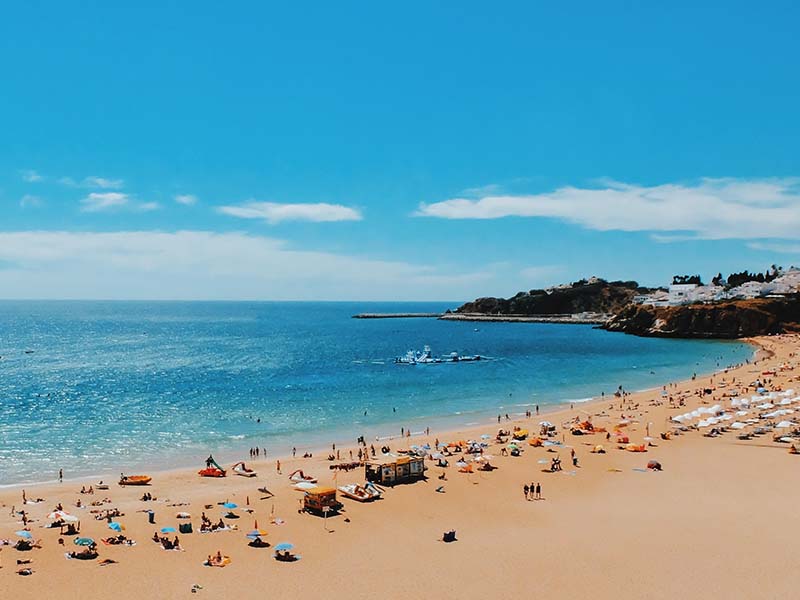
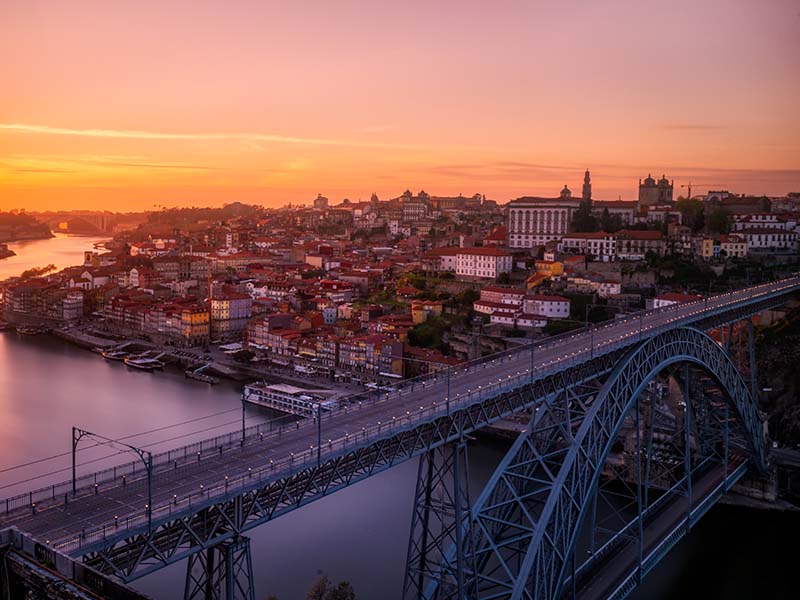
Source: Adobe Stock Author: Redaction Porto and Douro culture, river and vineyards Those looking for holidays in Portugal with a combination of heritage, gastronomy and nature will find Porto an excellent choice. During the month of June, temperatures are pleasant for walking along Ribeira, crossing the Luís I Bridge and exploring the banks of the Douro River. For a more complete experience, it is worth extending the trip to the Douro Wine Region, where vineyards cover the slopes and create one of the country’s most iconic landscapes. Boat trips, visits to wine estates and wine tastings make this destination especially attractive. Algarve and Costa Vicentina for beach days On holidays in Portugal, the south of the country continues to be one of the most sought-after regions. The Algarve offers golden sandy beaches, impressive cliffs and lively historic centres. Lagos stands out for the rock formations of Ponta da Piedade, while Tavira wins visitors over with its tranquillity and the charm of its traditional streets. For those who prefer more natural settings, the Costa Vicentina is an excellent alternative. Between the Alentejo and western Algarve, you will find wild beaches, coastal trails and small villages that maintain a more relaxed pace. June is a particularly good time for walking along the coast, enjoying mild temperatures and long days. Évora and the charm of inland Alentejo Holidays can also be an opportunity to discover the country’s inland heritage. Évora is one of the most fascinating cities in Portugal, bringing together monuments, tradition and gastronomy in an authentic setting. Walking through the historic centre, visiting the Roman Temple, the Cathedral or the Chapel of Bones are must-do experiences for anyone visiting the city. From Évora, it is also possible to explore places such as Monsaraz or Estremoz, known for their traditional architecture and Alentejo landscapes. In addition to its heritage, the Alentejo stands out for the quality of its wines and the range of wine tourism experiences available. For those seeking tranquillity, culture and good food, this region deserves a prominent place on the list of holidays in Portugal. With options for all tastes, from historic cities to beaches and rural destinations, holidays in Portugal promise diverse and memorable experiences. The pleasant climate and cultural richness make the country an increasingly attractive choice for a short break or a longer holiday.
Source: Adobe Stock Author: Redaction New rules for travelling with pets in the EU Travelling with pets in the EU has become subject to more uniform rules since April 2026, applicable to non-commercial travel within Member States. The aim is to strengthen control and ensure greater health safety. These changes do not restrict mobility, but they make the process more stringent. Anyone intending to travel with pets in the EU must ensure they comply with all requirements before departure, avoiding issues at borders or during boarding. European passport and mandatory documentation The central element for travelling with pets in the EU remains the European pet passport. This document contains all essential information about the animal, including identification, microchip, rabies vaccination and veterinary records. Without valid documentation, the animal may be prevented from travelling or subject to additional checks. Therefore, before travelling with pets in the EU, it is essential to ensure all data is up to date and correctly recorded in the passport. The microchip is also mandatory and must comply with European standards, serving as the animal’s permanent identification. Authorisations and travel control The general rule states that the animal must travel with its owner. However, it is possible to travel with pets in the EU accompanied by another person, provided there is formal authorisation from the owner. This authorisation must be written and accompanied by a copy of the owner’s identification document. In some cases, the owner may travel up to five days before or after the animal, as permitted by European regulations. These measures help prevent illegal pet transport and strengthen control over movements within the EU. Practical tips for safe travel To travel with pets in the EU safely, it is essential to prepare the trip in advance. Rabies vaccination must be valid and correctly recorded, as well as a functional and readable microchip. It is also important to check whether the destination country requires additional conditions. For long journeys, a veterinary consultation is recommended to ensure everything is compliant. In addition, transport must be carefully planned, ensuring comfort and safety for the animal throughout the journey. In this way, travelling with pets in the EU becomes a smoother and more predictable experience.
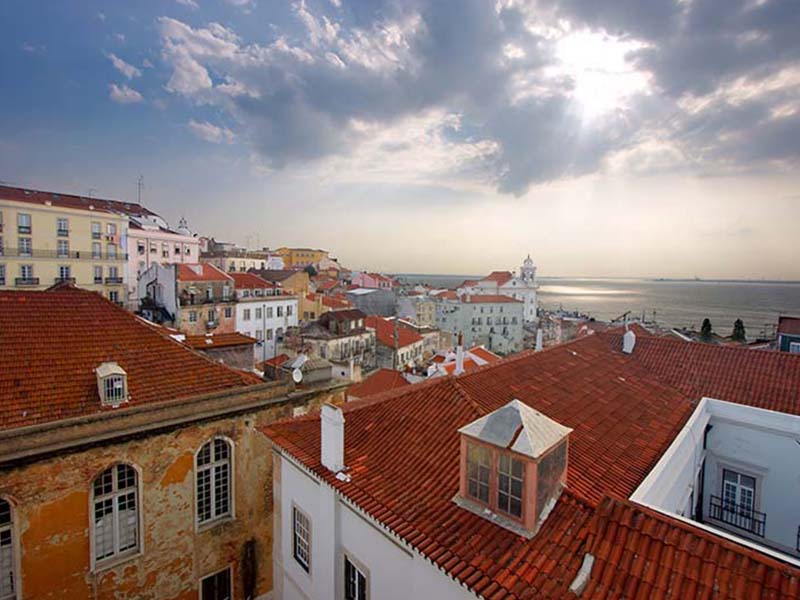
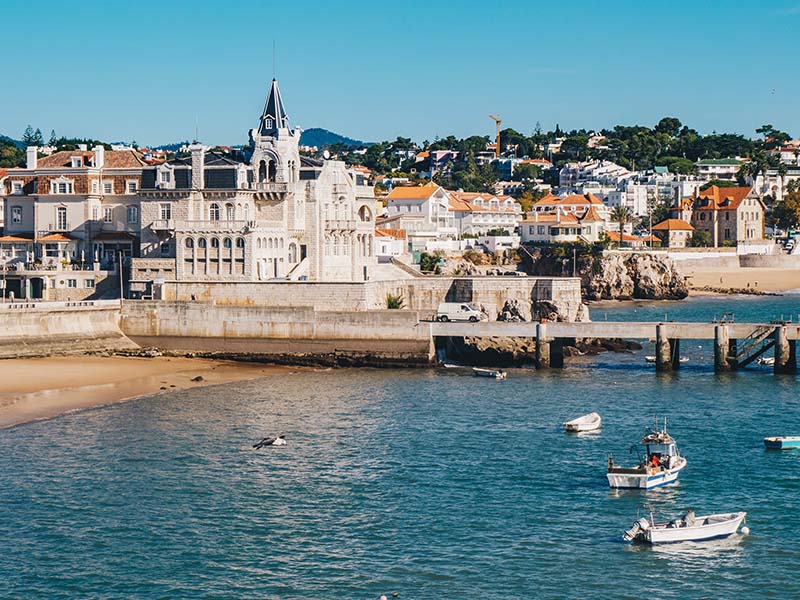
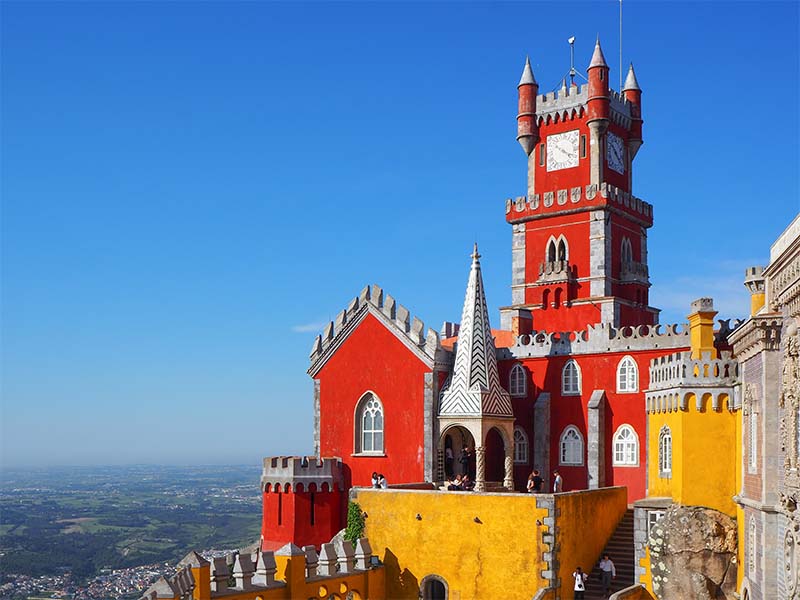
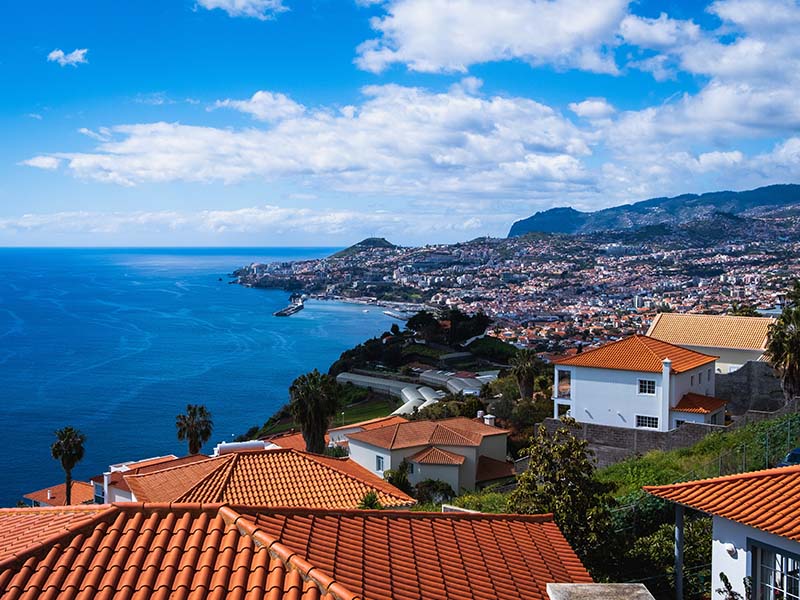
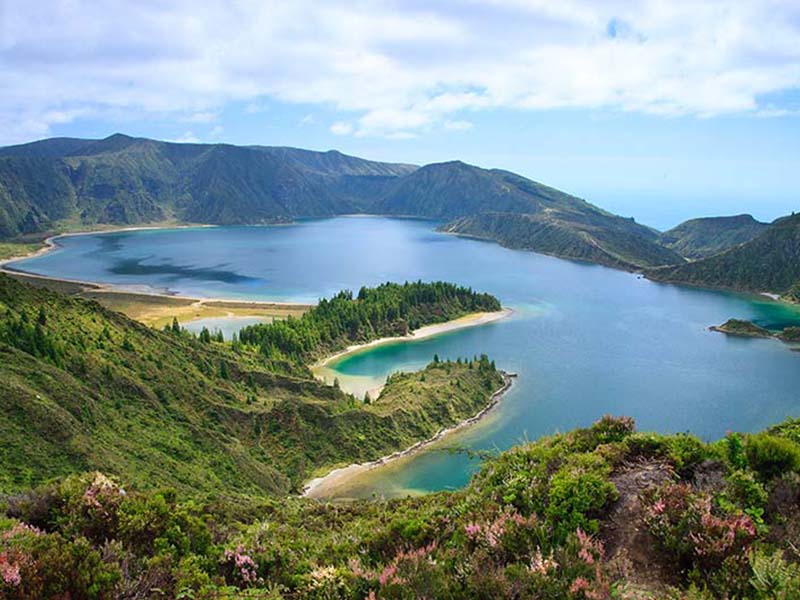
Source: Adobe Stock Author: Redaction Portugal strengthens tourism appeal in Europe Portugal has once again established itself as one of the most sought-after destinations by European travellers for spring and summer 2026, according to the latest report from the European Travel Commission (ETC). The report confirms a global increase of 17% in demand for Southern European destinations compared to 2025. In this context, Portugal maintains a prominent position among tourists’ choices, alongside other Mediterranean destinations, strengthening its competitiveness in European tourism. The combination of climate, safety and diversity of experiences continues to be a decisive factor in travellers’ decisions. Safety and climate continue to make a difference The choice of a holiday destination increasingly depends on factors such as stability, comfort and value for money. In this context, Portugal benefits from a positive image among European tourists, offering conditions that meet travellers’ main expectations. The mild climate throughout much of the year remains one of the country’s greatest competitive advantages. The diversified tourism offer also contributes to growing demand, allowing visitors to explore beaches, historical heritage, gastronomy and natural landscapes in a single trip. Destinations such as Lisbon, Porto, Algarve, Madeira and the Azores continue to attract the attention of different tourist profiles, reinforcing Portugal’s visibility in international markets. Young travellers drive new travel trends Younger travellers play an important role in the growth of European tourism. The age group between 18 and 34 shows a stronger willingness to travel, prioritising authentic experiences, flexibility and contact with local culture. Portugal has benefited from this trend, especially in major cities where cultural, gastronomic and leisure offerings meet this audience’s expectations. Short breaks and personalised travel programmes are becoming increasingly relevant among visitors. At the same time, there is a growing preference for shorter trips and more careful budget management. Many tourists seek to maximise their experience without significantly increasing costs, favouring destinations that offer good value for money. National tourism benefits from a favourable scenario Despite economic uncertainty and international tensions that continue to influence travel decisions, Portugal maintains an image of stability and trust. This positive perception has helped strengthen the country’s competitiveness in European markets. Geographical proximity, strong air connections and a diverse tourism offer continue to support international demand. In addition, interest in sustainable experiences, nature tourism and culturally based activities is growing. With the high season approaching, prospects for the sector remain positive. Strong demand for safe destinations with high-quality tourism is expected to continue benefiting Portugal, consolidating its position among Europe’s leading summer 2026 destinations.
Source: Adobe Stock Author: Redaction How the “Anda Conhecer Portugal” works The “Anda Conhecer Portugal” is a programme created to encourage youth mobility and domestic tourism. For 7 days, participants can travel freely by train and discover different regions of the country. Once approved, the young person receives a voucher that allows them to plan their own route. The “Anda Conhecer Portugal” gives full freedom to choose destinations, schedules and experiences, promoting a more independent way of travelling. Who can take part in the “Anda Conhecer Portugal” The programme is aimed at young people aged between 18 and 30, as well as those who have recently completed secondary education. The goal is to make travel more accessible and inclusive. To take part in the “Anda Conhecer Portugal”, it is necessary to apply through official channels and meet the defined criteria. The initiative aims to reach thousands of young people across the country. What includes? The “Anda Conhecer Portugal” offers 7 days of unlimited train travel and 6 nights in youth hostels distributed across different regions of the country. During the programme period, participants can create personalised itineraries. The “Anda Conhecer Portugal” allows travel from north to south, discovering cities, towns and landscapes for free. In addition, access to youth hostels provides a practical and cost-effective experience, eliminating accommodation and transport costs. Why the “Anda Conhecer Portugal” is worth it The “Anda Conhecer Portugal” is not only a travel opportunity but also an experience of personal discovery. For many young people, it represents the chance to explore the country without financial barriers. This initiative promotes contact with different regional cultures, encourages independence and strengthens the connection to the national territory. The programme also helps to promote domestic tourism and highlight lesser-known destinations. In a context where travelling can be expensive, the “Anda Conhecer Portugal” stands out as an accessible, educational and enriching solution for young people who want to get to know the country better.
Source: Adobe Stock Author: Redaction Cinque Terre: overview and heritage Cinque Terre is one of Italy’s most iconic regions, located in Liguria. Cinque Terre stands out for its cliffs, bays and panoramic trails classified as UNESCO. Despite the steep terrain, Cinque Terre offers unique coastal landscapes, colourful villages and wine-making traditions. Throughout history, has inspired artists and writers, becoming a romantic and culturally rich destination. The five villages of Cinque Terre Cinque Terre is made up of five distinct villages, each with its own identity. In Cinque Terre, Riomaggiore is the southernmost village, known for its colourful houses and the Via dell’Amore. In Cinque Terre, Manarola stands out for its vineyards and views over the Ligurian Sea. In Cinque Terre, Vernazza is famous for its picturesque harbour and castle with panoramic views. In Cinque Terre, Corniglia sits on a high cliff and is the only village without direct access to the sea, offering stairways and unique viewpoints. Monterosso al Mare is the largest village, with wide beaches and a historic centre, ideal for seaside relaxation. How to get to Cinque Terre Getting to Cinque Terre is simple by train from La Spezia, with frequent connections between the villages of Cinque Terre. It is also possible to explore Cinque Terre by boat in spring and summer, enjoying unique coastal views. The rail and sea connections make Cinque Terre an accessible and well-connected destination, ideal for a short trip to Italy.
Source: Adobe Stock Author: Redaction Estremoz, the White City of the Alentejo Estremoz stands out as a leading destination in the Alentejo, where heritage, wines and gastronomy intersect. Known as the White City, Estremoz is distinguished by its marble and historic houses, making tourism in Estremoz a cultural and sensory experience. Between walls, castle and central square, tourism in Estremoz comes alive in an authentic and peaceful environment. Heritage, tradition and tourism in Estremoz Tourism in Estremoz begins in the historic centre, where the fortifications and the Estremoz Castle, built by King Dinis, stand out. The city invites visitors to discover Rossio Marquês de Pombal, one of the largest public squares in the country, where tourism in Estremoz meets local life and the traditional market. Craft tradition also marks tourism in Estremoz, with the Estremoz Dolls, classified by UNESCO, representing Alentejo culture in the form of folk art. Wines and gastronomy in tourism in Estremoz Tourism in Estremoz is deeply linked to wine. The region, with a strong winemaking tradition, offers unique experiences in wineries and wine tourism projects. In gastronomy, tourism in Estremoz stands out for its creativity and local products. Local restaurants reinforce the city’s role as a gastronomic destination, elevating tourism in Estremoz to a level of authenticity and sophistication. Nature and experiences in tourism in Estremoz Tourism in Estremoz extends to the surrounding nature, with highlights including the Serra d’Ossa and the Lake Circuit. These routes strengthen tourism in Estremoz with outdoor activities such as hiking and mountain biking, integrated into the cork oak landscape. The Marble Route adds another dimension to tourism in Estremoz, linking natural heritage and industry in a route between Borba and Vila Viçosa. Thus, tourism in Estremoz stands as a complete experience of Alentejo culture, nature and tradition.
Source: Adobe Stock Author: Redaction Algarve stands out in hiking tourism The Algarve is now much more than a beach destination, establishing itself as one of the main hiking destinations in Europe. The region achieved 3rd place in the “Most Popular Hiking Regions in Europe 2026” award, strengthening its status in hiking tourism. This recognition in hiking tourism results from a vote of around 35,000 readers, who highlighted the Algarve among the most sought-after European hiking regions. The award confirms the consistent growth of hiking tourism in the Algarve. Trails strengthen hiking tourism The consolidation of hiking tourism in the Algarve is linked to its diversity of landscapes, mild climate and authentic experiences. These factors make hiking tourism in the region increasingly competitive in the European context. Routes such as the Via Algarviana and the Rota Vicentina are key references for hiking tourism in the Algarve, attracting visitors from several countries. These trails reinforce the region’s position as a hiking tourism destination all year round. Strategy and growth of hiking tourism Hiking tourism in the Algarve has been part of a strategy of promotion and internationalisation. The goal is to reduce seasonality and strengthen the economic impact of hiking tourism in low-density territories. According to sector representatives, hiking tourism helps diversify the Algarve’s offer, complementing the traditional sun and sea product. Markets such as Germany, the United Kingdom and the Netherlands show strong interest in hiking tourism in the region. This recognition comes at a strategic moment for hiking tourism in the Algarve, with initiatives such as the Algarve Walking Season reinforcing trail promotion and boosting the destination outside the high season.


 Nederlands
 Português
 English
 Français
 Español
 Deutsch
 Русский
 中文(简体)