Photo: Adobe Stock Author: Redaction A quieter side of the Mediterranean Beyond the best-known destinations, there are Italian islands where the pace of a holiday is shaped by tranquillity, nature and proximity to the sea. They are options for those looking to discover another side of Italy, without giving up beaches with crystal-clear waters and natural scenery. Among the suggestions are different types of destinations. Some Italian islands are volcanic in origin and feature landscapes shaped by geological activity, while others stand out for their small communities, colourful houses and relaxed atmosphere. This group of destinations also offers very different experiences within the same country. Some places are ideal for relaxing by the sea, while others have a strong historical and traditional character. Beaches, villages and volcanic landscapes Vulcano and Pantelleria are examples of Italian islands associated with volcanic landscapes. Their identity is closely linked to nature, offering an alternative to the beach destinations that are most popular during the summer months. Panarea and Procida, meanwhile, have a different atmosphere, with smaller communities and a strong connection to island life. The colourful façades and village streets help create particularly distinctive settings. La Maddalena is another option for those looking to explore the Italian coastline through natural landscapes. The archipelago stands out for its relationship with the sea and the variety of its coastal scenery. Destinations for different types of holidays Not all Italian islands attract the same type of traveller. Marettimo, for example, has a more isolated and rustic character, suited to those who value contact with nature and less urban environments. Elba adds a historical dimension to the list and allows visitors to combine moments of relaxation with the discovery of local heritage. In this way, the lesser-known Italian islands can suit different ways of travelling. For those looking for sunshine, sea and some distance from the crowds, exploring these alternatives can be a way to discover new Mediterranean landscapes and enjoy a holiday at a more relaxed pace.
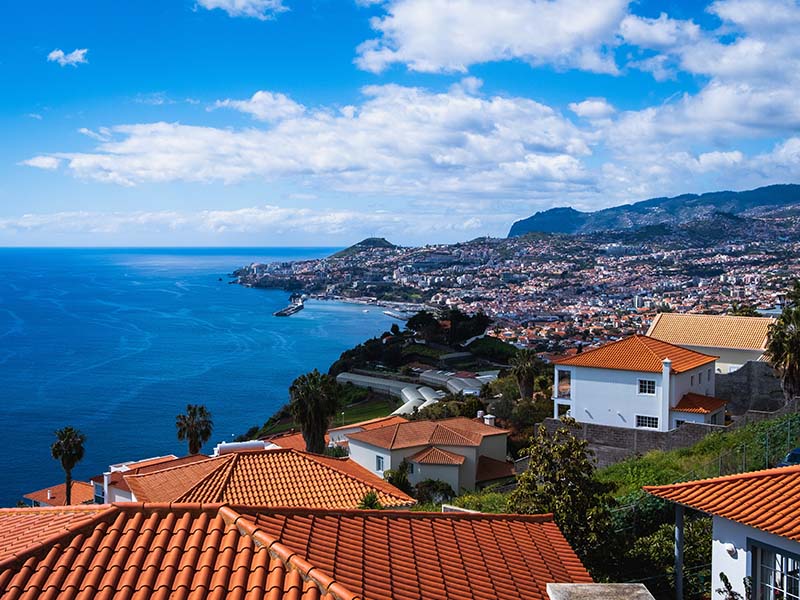
Photo: Adobe Stock Author: Redaction Nature and landscapes shape the experience Madeira combines mountains, cliffs, sea and green spaces in a territory of great natural diversity. The mild climate for much of the year makes it possible to explore the archipelago in different seasons, whether through hikes, coastal walks or moments of relaxation. Among the most popular places are Pico do Areeiro and Pico Ruivo, with trails and views across the mountainous landscape. The natural swimming pools of Porto Moniz and the Cabo Girão viewpoint are other attractions included in many visitors itineraries. The Laurisilva Forest is also one of Madeiras most important natural areas. Listed as a UNESCO World Heritage Site, it stands out for its biodiversity and extensive forested area. From the sea to the city, there is plenty to discover As well as nature, Madeira offers experiences connected to the ocean, local cuisine and culture. Whale and dolphin watching, boat trips and outdoor activities provide different ways of discovering the coastline. In Funchal, the archipelagos capital, visitors can find some of its main cultural and tourist attractions. Markets, gardens, museums and places dedicated to regional cuisine complement the experience. Porto Santo can also be included in an itinerary, particularly for those looking for golden sandy beaches and a more peaceful atmosphere. A trip for different times of the year Madeira can be visited throughout the year. The warmer months are popular with those looking to enjoy the sea, while spring and autumn offer favourable conditions for exploring the trails and natural landscapes. In winter, the relatively mild temperatures continue to attract visitors looking for an alternative to colder European destinations. Easy access from mainland Portugal For those travelling from mainland Portugal, Madeira also benefits from regular air connections. There are flights from cities such as Lisbon and Porto, with different options in terms of schedules and fares. Accommodation is also varied, ranging from hotels and resorts to local accommodation and rural tourism units. Prices can vary depending on the season and demand. With nature, heritage, sea and cuisine, Madeira offers different possibilities for a short break or a longer stay, remaining one of Portugals leading tourist destinations.
Photo: Adobe Stock Author: Redaction Alentejo Coast leads the choices The holiday map for Portuguese travellers is changing. The Alentejo Coast has become the most sought-after domestic destination for summer, overtaking the Algarve, which led preferences in 2019. The Alentejo region is chosen by 60% of respondents who holiday in Portugal, while the Algarve now accounts for 30%. The North Coast has also gained ground, rising from 13% to 38%. Overall, Portugal remains the most popular holiday destination, although its share has fallen compared with 2019, from 61% to 50%. In contrast, Europe rose from 34% to 40%, with Spain standing out among European destinations. Despite these changes in preferences, most people are keeping their plans for the summer months. Around 79% of Portuguese people expect to take a holiday this year and, among them, 73% are expected to travel away from their usual residence. Beach holidays remain popular Although the beach remains one of the main criteria when choosing a holiday, its importance has declined in recent years. It is now cited by 47% of respondents, compared with 59% in 2019. Price has become more important in the decision-making process, reflecting greater attention to available budgets. Cultural activities also carry more weight in the choice, showing that holidays are associated with a more diverse range of interests. The expected length of holidays, however, remains relatively stable. Two weeks continues to be the most common option, chosen by 57% of participants, a percentage close to the 58% recorded in 2019. Budget shapes holiday plans The average budget for summer holidays is €750 per person, around 5% above the amount recorded seven years ago. Despite this increase, Portuguese people are showing greater concern about spending. Four in ten respondents say they will spend less than in 2025, while an identical proportion expects to maintain their spending. Only 14% expect to increase their holiday budget. Holiday allowance remains important for financing trips. In 2026, 77% of Portuguese people say they will use it, either fully or partially, to cover the costs of this period. For 30%, this income is essential to pay for their holidays. Internet gains ground in planning The way holidays are prepared has also changed. Currently, 86% of Portuguese people search online for information about destinations, accommodation or activities, compared with 67% in 2019. Artificial Intelligence is also starting to play a role in holiday planning. Around 21% of respondents already use these tools to research travel options. For bookings, online platforms are used by 64% of participants. In accommodation, local tourist accommodation and Airbnb together account for half of the choices, while hotels remain close to the preference recorded in 2019. The data comes from the “Portuguese Holidays 2019-2026” study, conducted by IPAM-Porto among 450 adults in June 2026.
Photo: Adobe Stock Author: Redaction New rule came into force in September Thailand has changed the entry conditions for foreign tourists. On 15 September, the scheme allowing visa-free stays of up to 60 days for certain nationalities ended. Under the new rules, the visa exemption now allows a maximum stay of 30 days for citizens of 60 countries and territories. Portugal is among the countries covered by the new measure, along with several European nations, as well as the United States, Canada, Australia and other destinations. The change applies to entries made from the date set by the Thai authorities. Travellers entering the country under the new rules should therefore take the authorised period of stay into account. Portugal retains visa-free entry Portuguese citizens can still travel to Thailand without having to apply for a visa in advance for tourist stays covered by the visa exemption scheme. However, the maximum length of stay is now 30 days. The measure also includes specific rules for land-border entries, which are generally limited to two entries per calendar year for those using this option. The change represents a reduction from the previous 60-day period, so Portuguese travellers planning a longer stay should check the applicable conditions in advance. Other entry schemes also change In addition to the 30-day visa exemption, Thailand is introducing a 15-day category for holders of Seychelles and Mauritius passports. The visa-on-arrival scheme is also changing and will be available to citizens of Azerbaijan, Belarus and Serbia. In these cases, the permitted stay is up to 15 days. The new categories replace the rules previously applicable to several travellers. The possibility of entering without a visa or obtaining a visa on arrival now therefore depends on nationality and the corresponding scheme. What to check before travelling Before departure, it is important to confirm the entry conditions applicable to the passport being used, as authorised periods may vary depending on nationality. For those travelling from Portugal to Thailand for tourism, the visa exemption allows a stay of up to 30 days under the new rules. Even so, travellers should confirm the requirements in force before travelling and ensure that they meet all entry conditions. The reduction in the permitted stay makes planning the length of the trip particularly important. Anyone intending to stay in Thailand for more than 30 days should find out about the available alternatives before departure.
Photo: Adobe Stock Author: Redaction The interior becomes an alternative to the coast During the summer, Portugal’s coast continues to attract thousands of people, but the options for spending holidays in Portugal are becoming more diverse. The country’s interior has attracted visitors interested in peaceful surroundings, contact with nature and experiences that differ from traditional beach holidays. Among rivers, reservoirs, mountains and villages, there are destinations offering days of relaxation away from the busiest coastal areas. For many families, this change is also a way of managing their budget, at a time when accommodation in seaside tourist destinations can place an increasing burden on household expenses. Prices and tranquillity influence choices The cost of holidays is one of the factors that may lead Portuguese people to look for alternatives to the coast. In the most popular seaside areas, strong demand during the summer months contributes to higher accommodation prices, making some stays less affordable. Crowds are another factor to consider. Traffic, difficult parking and busy beaches can take away from the peace and quiet of a relaxing break. Inland, the range of natural spaces makes it possible to find quieter surroundings and, in many cases, different types of accommodation. This demand does not mean that the beach has stopped being part of holidays in Portugal. What is changing is the variety of choices and the importance given to the overall travel experience. Rivers, mountains and nature take centre stage River beaches, rivers and mountain areas have benefited from the growing popularity of nature tourism. Many local authorities have invested in improving these spaces and creating better conditions for visitors, making them more attractive during the summer. The climate can also influence the choice of destination. During periods of high temperatures, areas with vegetation, shade and access to freshwater can offer a different experience from beaches exposed to the sun for several hours. As a result, holidays in Portugal are taking on new settings. The coast remains popular, but the interior is increasingly seen as an option for those looking to combine relaxation, nature and a greater sense of tranquillity.
Source: Adobe Stock Author: Redaction Age can change the policy rules Being over 70 does not mean being left without protection. However, travel insurance policies may set different rules depending on age. It is common for there to be limits on the length of the trip, changes to the price and restrictions on certain types of cover. Anyone planning to travel at this stage of life should check the conditions before taking out a policy. Some policies accept older travellers but reduce the protection period or apply specific rules. The maximum age varies between insurers. This check is particularly important when the insurance is linked to a bank card, a travel agency or the purchase of a ticket. Having cover included does not mean that every situation is protected. What happens with pre-existing conditions? With travel insurance, health is another factor to consider. A condition diagnosed before departure may not be covered by standard guarantees or may have specific terms and conditions. High blood pressure, diabetes, heart problems or previous surgery may require an additional assessment. If an emergency occurs during the trip that is related to a pre-existing condition, the insurer may limit or refuse payment, depending on the policy. When a medical questionnaire is required, answering fully and accurately is essential. Some insurers offer specific cover for pre-existing conditions, although this may increase the premium. Which types of cover should you compare? When choosing travel insurance, looking only at the price is not enough. Medical assistance should be suitable for the destination, particularly outside Europe, where hospital treatment can involve significant costs. Medical repatriation also deserves attention, as does transportation in the event of death. It is important to understand whether expenses are paid directly by the insurer or whether the traveller will have to pay upfront and then request reimbursement. Cancellation, trip interruption, baggage and medication are other relevant forms of cover. For people who take medication regularly, knowing how protection works in the event of lost or delayed baggage can help avoid problems. Is the European Health Insurance Card enough? When travelling within the European Union, European Economic Area and Switzerland, the European Health Insurance Card provides access to medically necessary public healthcare under the same conditions as residents. Although it is free, it does not replace travel insurance. For example, the card does not cover repatriation, private medical assistance or cancellation protection. For this reason, anyone travelling after the age of 70 should compare travel insurance policies and carefully read the exclusions. Checking age limits, health conditions and cover before departure can help avoid surprises when assistance is needed.
Source: Adobe Stock Author: Redaction A coastline full of beaches and coves Among the Balearic Islands, Menorca has been gaining increasing popularity as a holiday destination. Although it is less well known than Majorca, it offers a combination of nature, tranquillity and beautiful beaches. The island has around 250 kilometres of coastline and more than 70 beaches and small coves. Many feature clear waters and turquoise-blue tones, surrounded by natural landscapes that make every stop special. In addition to the better-known beaches, there are more secluded spots where you can enjoy the coastline in greater peace and quiet. For those looking for a seaside holiday, Menorca offers options for different types of travellers. Discovering the island beyond its beaches One of the best ways to explore Menorca is to hire a car and travel around different parts of the island. Some beaches cannot be reached directly by road, so part of the journey has to be made on foot. The effort can be worthwhile. Trails often lead to small hidden coves where nature remains almost untouched. Other places can be reached by boat, allowing you to discover coastal areas that are inaccessible by land. This variety makes it possible to combine beach days with moments of discovery. Instead of staying in the same place throughout your trip, you can create a coastal itinerary and experience different landscapes along the way. Sun and sea to enjoy in summer The climate is another of Menorcas attractions. The island enjoys around 300 days of sunshine a year and, during summer, you can expect many hours of daylight for outdoor activities. These conditions are ideal for long days by the sea, coastal walks or relaxing in the coves. For those looking for a European beach destination, Menorca combines nature, good weather and a diverse coastline. The combination of crystal-clear beaches, quieter areas and natural landscapes helps explain the islands growing popularity. Menorca can therefore be an appealing alternative for anyone wanting to experience the Balearic Islands from a more peaceful perspective.
Source: Adobe Stock Author: Redaction A historic centre steeped in history Visitors to Antalya will find Kaleiçi one of the most interesting places to begin exploring the city. The old quarter preserves traces of the different civilisations that have shaped the region, with narrow streets, traditional buildings and charming squares. Hadrian’s Gate is one of the area’s main landmarks, standing out for its Roman architecture. Nearby, Hıdırlik Tower offers privileged views over the Mediterranean, while the old harbour has a more relaxed atmosphere, with boats and restaurants by the water. Another symbol of Antalya is Yivli Minare, a minaret associated with 13th-century Islamic architecture. The Clock Tower, near the entrance to the old town, completes the route through some of the area’s best-known landmarks. Konyaaltı combines beach and city life For those looking for the sea, the Konyaaltı area is one of the best options. Its long beach stretches along the coastline and offers views of the Beydağları Mountains, creating a setting where the blue of the Mediterranean contrasts with the surrounding landscape. The area also has a seafront promenade with restaurants, cafés and leisure spaces. Its location makes it easy to combine days at the beach with visits to other points of interest in Antalya. Mount Tünektepe is another option for enjoying the scenery from a different perspective. The climb offers wide views over the city, coastline and mountains, particularly appealing towards the end of the day. Antalya’s wilder side Just a few kilometres from the city, Antalya reveals a very different landscape. Kapuz Canyon is an alternative for those looking to escape the busier areas and experience the region’s natural surroundings. The gorge is characterised by rock formations, flowing water and small waterfalls. In some areas, the route can be followed along the riverbed, providing a refreshing experience during the warmer months. This proximity between urban areas, coastline and nature makes Antalya a versatile destination, appealing to those looking for relaxation, culture or outdoor activities. How to plan a trip to Antalya Antalya has its own airport and can be reached by air, including flights with a connection in Istanbul. To explore the city, it is worth combining different areas and setting aside time for both the historic centre and the coast. In Kaleiçi, accommodation ranges from traditional buildings converted into places to stay to boutique hotels. In Konyaaltı, larger hotels predominate, many of them close to the beach and seafront promenade. With heritage, beaches and nature concentrated within the same region, Antalya makes it possible to enjoy a varied trip without having to travel long distances.
Source: Adobe Stock Author: Redaction Freshwater and nature to escape the heat River beaches are an alternative to coastal destinations on the hottest days. Along rivers and reservoirs, there are places where you can combine swimming, relaxation and outdoor activities. In the district of Bragança, Congida River Beach, in Freixo de Espada à Cinta, stands out for its calm waters on the Douro International and its surrounding landscape. The area has shaded spots, a picnic area, swimming pools and beach facilities. Further north, Rabaçal River Beach, near Valpaços, combines an extensive sandy area with clear waters and green spaces. Wooden walkways provide easy access to the water, while the surroundings are suitable for activities such as canoeing, fishing and hiking. River beaches between Minho and Trás-os-Montes In Póvoa de Lanhoso, Verim River Beach makes the most of the banks of the Cávado, offering a suitable setting for families and anyone looking to spend the day surrounded by nature. The bathing area has leisure spaces, a picnic area and adapted access. In Vilar de Mouros, in the municipality of Caminha, Azenhas River Beach is located alongside the Coura River and surrounded by vegetation. Its peaceful landscape makes it a good option for those who prefer freshwater to the sea. There are also leisure areas and facilities for water activities. Swimming with mountain views Fraga da Pegada River Beach, on the Azibo Reservoir in Macedo de Cavaleiros, stands out for its natural surroundings. Located within a protected landscape, it is ideal for swimming and activities such as canoeing, paddleboarding, sailing and windsurfing. The area also attracts visitors interested in hiking and wildlife watching, thanks to the numerous trails nearby. In Terras de Bouro, Alqueirão River Beach benefits from the scenery of the Caniçada Reservoir and its proximity to Peneda-Gerês National Park. The combination of water and mountains creates a particularly appealing setting for a summer day. How to choose the ideal river beach? Each of these river beaches offers a different experience. Those looking for facilities and accessibility can opt for better-equipped bathing areas, while visitors seeking tranquillity will find more natural settings. Before setting off, check access conditions, whether lifeguards are present and which services are available during the bathing season. It is also worth checking water quality and the rules in force at each location. From the Douro International to Minho and the mountains of Trás-os-Montes, these river beaches show that you do not need to be by the Atlantic to enjoy a summer day of water, shade and nature.
Source: Adobe Stock Author: Redaction Nature and landscapes to discover Among the most beautiful boardwalks in Portugal are routes through some of the country’s most striking natural landscapes. The Paiva Walkways, in Arouca, stand out for their scenery along the Paiva River, surrounded by vegetation and rock formations. In the Guarda region, the Mondego Walkways allow you to discover the river valley along a route marked by woods, bridges, old mills and waterfalls. The variety of landscapes makes this walk particularly interesting for those who enjoy nature. Further north, the Sistelo Walkways follow the Vez River through a landscape marked by terraces, mountains and traditional buildings. The natural surroundings make this a great option for those looking for tranquillity away from urban centres. Walkways between rivers, mountains and beaches In central Portugal, the Fragas de São Simão Walkways combine nature, heritage and water. The route leads to the river beach and allows you to explore the surroundings of the schist village of Casal de São Simão. For those who prefer walking by the sea, the Gaia-Espinho Coastal Walkways offer a different experience. The route follows the coastline and passes beaches, dunes and other points of interest, offering views of the Atlantic. The diversity of these routes shows that boardwalks can be an accessible way to discover different Portuguese landscapes, whether among mountains or along the coast. How to make the most of the routes Before choosing one of the most beautiful boardwalks in Portugal, it is important to check the route’s length and difficulty level. Some routes include stairs or more demanding sections. Comfortable footwear, water, sun protection and suitable clothing are essential for a more pleasant walk. It is also advisable to check the route conditions before your visit. Whether for a family outing, a walk with friends or simply a few hours in nature, boardwalks allow you to discover Portugal through very different landscapes.
Source: Adobe Stock Author: Redaction Old Identity Card is no longer valid for travel Since 3 August 2026, the old Portuguese paper Identity Card, including documents issued without an expiry date, can no longer be used as a travel document within the European Union and the Schengen Area. The change affects thousands of citizens who still have this document, including versions considered to be valid for life. Although it can still be used in Portugal for other identification purposes, the paper Identity Card can no longer be used to cross international borders. In practice, anyone attempting to travel using only this document may face problems when boarding or during border checks. The situation may particularly affect citizens living abroad who still use the old Identity Card when travelling to Portugal. Why is the Identity Card no longer accepted? The change results from the application of European rules concerning the security of identification documents. Old paper Identity Cards do not have features currently required for documents used for international travel, such as a machine-readable zone or electronic security features. These rules aim to strengthen document security, prevent counterfeiting and allow faster and more standardised identity checks at European border controls. The Identity Card is no longer issued in Portugal and has been replaced by the Citizen Card. This document brings together the main identification details of the citizen and meets the requirements applicable to travel documents within the European Union. Which documents can you use to travel? To travel within the European Union and the Schengen Area, Portuguese citizens must present a valid travel document, such as the Citizen Card or Portuguese Electronic Passport. For many journeys within Europe, the Citizen Card is the most practical option, while a passport remains necessary or recommended for travel to destinations outside this area, depending on the rules of the destination country. Anyone who still uses the old Identity Card should arrange to replace the document before an international trip. The application may require an appointment and processing times may vary, particularly at Portuguese consulates abroad. In urgent and duly justified situations, it is advisable to contact the Portuguese consulate in the area of residence to find out what options are available. Avoiding leaving the replacement until the last few days can help prevent problems when boarding and at border crossings.
Source: Adobe Stock Author: Redaction European islands offer holidays away from traffic European islands continue to be one of the top choices for those seeking quieter holidays surrounded by nature. In several destinations, car traffic is restricted or virtually non-existent, allowing visitors to explore the landscapes on foot, by bicycle or using small local means of transport. Far from the fast pace of large cities, these islands stand out for their preserved natural surroundings, peaceful beaches and villages that have retained their traditional character. For many travellers, they offer an alternative to mass tourism and a different way to discover Europe. From the Azores to the Mediterranean, there are destinations for every taste Among the best-known European islands is Pico Island, in the Azores, where volcanic landscapes, UNESCO-listed vineyards and natural swimming pools are among its main attractions. Whale and dolphin watching, together with hiking trails leading to Portugals highest mountain, complete the experience. In the Mediterranean, Porquerolles, in France, is a destination where bicycles easily replace cars. Crystal-clear beaches, pine forests and scenic trails make the island ideal for relaxing days. The Cíes Islands, in Galicia, are also a benchmark among protected European islands. Daily visitor numbers are limited to preserve the ecosystem, allowing visitors to enjoy beaches, hiking trails and viewpoints without the pressure of overcrowded tourism. Nature and authenticity continue to define these destinations Another of the most iconic European islands is Hydra, in Greece, where cars are banned and getting around is done on foot, by donkey or by water taxi. Its cobbled streets, traditional harbour and crystal-clear waters make it one of the Mediterraneans most peaceful destinations. In Croatia, Lastovo preserves much of its protected landscape, offering crystal-clear coves, walking trails and a strong connection with nature. Meanwhile, Inis Oírr, in Ireland, retains its stone walls, small beaches and unmistakably Atlantic atmosphere, making it perfect for exploring at a leisurely pace. Sustainable tourism is becoming increasingly important The growing interest in less crowded European islands reflects an increasing demand for sustainable tourism. Restrictions on motor traffic help reduce environmental impact, improve the quality of life of local communities and preserve natural heritage. As more travellers look for authentic experiences, these destinations are becoming ideal alternatives for those who value walking, nature and a slower holiday pace, away from crowds and traffic.


 English
 Português
 Français
 Español
 Deutsch
 Nederlands
 Русский
 中文(简体)