Source: Adobe Stock Author: Redaction A project designed to strengthen higher education The former headquarters of the ministry responsible for education, located in one of Lisbon’s most central areas, was for years associated with a structural solution for student accommodation. Converting the building into an academic residence was presented as a direct response to the difficulties higher education faces in accessing housing at prices compatible with students’ incomes. Despite the interest shown by several public education institutions, the project did not move forward. The lack of a clear decision ultimately generated frustration within the academic community, which saw this initiative as a way to enhance the attractiveness of education in Lisbon and support thousands of displaced students. Education, housing and financial sustainability The proposal envisaged the creation of hundreds of rooms, with different typologies and prices below those practised in the private market. The aim was to ensure diversified solutions tailored to the real needs of higher education, including accommodation for national and international students, as well as visiting lecturers. However, the supervising authority considered that the proposed model did not ensure financial sustainability within the framework of public education, particularly without recourse to European funds. This assessment raised doubts about the education system’s ability to find alternative solutions when there are vacant public buildings and projects largely financed by capital external to the State. Impact on Lisbon’s education ecosystem The decision to allocate the building to other purposes keeps it within the sphere of education, but removes a function considered a priority by students and institutions: academic accommodation. Lisbon remains one of the European cities where higher education faces the greatest difficulties in accessing rooms at controlled prices, which conditions academic choices and increases inequalities. Even with the increase in the number of beds planned for the coming years, student associations warn that the response will continue to fall short of the real needs of education. Pressure on the private market remains high, penalising above all displaced and international students, who are essential to the diversity and internationalisation of Portuguese education. The future of education and academic residences The case of the former ministerial headquarters illustrates the structural challenges of education in Portugal, where coordination between public assets, funding and strategic planning does not always produce effective results. Projects that could strengthen social cohesion and the competitiveness of education end up falling by the wayside, even when they do not imply direct costs for the State. Higher education requires integrated solutions that consider not only the educational offer, but also students’ living conditions. Housing is now a critical factor for academic success and for the attractiveness of the national education system. Until new solutions emerge, the academic community continues to argue that any additional opportunity should be analysed with transparency and a long-term vision. Ensuring decent housing conditions is increasingly a central element in the sustainability and quality of education in Portugal.
Source: Adobe Stock Author: Redaction More than 1,600 teachers placed in areas with a shortage of teachers A total of 1,639 teachers placed have joined the staff of areas of the country with a shortage of teachers, according to the results of the new extraordinary external competition published by the Government. The measure covers regions such as Lisbon and the Tagus Valley, the Setúbal Peninsula, Alentejo and the Algarve, where the lack of teachers has been most felt. Extraordinary competition fills most of the available vacancies In this competition, 1,800 vacancies were opened, of which 1,639 were filled by teachers, demonstrating strong engagement with the process. The vacancies were intended exclusively for areas marked as having a shortage of teachers, allowing reinforcement of the Pedagogical Zone Staff and responding to the most urgent needs of the education system. Lisbon Metropolitan Area concentrates the largest number of placements Most of the filled vacancies, totalling 1,220, corresponded to the Pedagogical Zone Staff of the Lisbon Metropolitan Area, identified as the region with the highest incidence of pupils without lessons. The Ministry of Education also highlighted that all 215 vacancies for the 1st cycle of basic education, one of the levels most affected by the shortage of teachers, were completely filled. Government measures to mitigate teacher shortages The Government assures that the 161 unfilled vacancies do not correspond to missing teaching hours, but rather to Pedagogical Zone Staff places. This extraordinary external competition is part of a set of measures to combat the shortage of teachers, including financial incentives for relocation. Currently, more than six thousand teachers benefit from support between 150 and 500 euros for working far from their homes, especially in areas with the greatest shortage of teachers.
Source: Adobe Stock Author: Redaction Access to education with strong territorial disparities Access to education in the district of Santarém reveals persistent inequalities between municipalities, both in the availability of educational institutions and in the possible educational pathways. Despite the existence of an extensive network of primary schools, the distribution of educational provision is not homogeneous, reflecting demographic, territorial and social differences that affect population qualifications. Municipalities with higher population density tend to concentrate more educational resources, while areas with fewer residents face greater limitations in access to education. Municipalities with a higher concentration of educational institutions Santarém stands out as the main educational hub of the district, concentrating a significant number of nursery schools and primary schools. Other municipalities such as Tomar, Ourém, Torres Novas and Vila Franca de Xira also have a more robust school network, in line with higher demand and a wider range of provision. In these municipalities, access to education is facilitated by the proximity of schools and the existence of different levels of education, contributing to higher levels of educational attainment. Municipalities with more limited educational provision In contrast, municipalities such as Constância, Golegã, Alpiarça or Ferreira do Zêzere have fewer educational institutions. This limitation particularly affects access to education from secondary level onwards, forcing many students to travel regularly to neighbouring municipalities. The lower diversity of educational provision conditions educational pathways and may contribute to school dropout or lower qualification levels, especially in areas with an ageing population. Secondary education, qualifications and future challenges Secondary and vocational education is heavily concentrated in a small number of municipalities in the district, reinforcing inequalities in access to education and limiting training options in several areas. The lack of vocational education in some municipalities reduces alternatives for young people and adults seeking pathways better suited to the labour market. Recent analysis shows that improving access to education in Santarém requires differentiated policies by municipality, considering not only physical proximity to schools, but also diversity of provision, educational success and population qualifications. These factors are decisive for the district’s sustainable social and economic development.
Source: Adobe Stock Author: Redaction Transformation of education in the early cycles The Portuguese education system is set for a major change, with the revision of the 1st and 2nd cycles scheduled to be completed by 2027. This process seeks to align curricula with 21st-century needs, incorporating digital skills and knowledge of artificial intelligence. The education update responds to the growing importance of digital technologies in everyday school life, promoting more adaptive and innovative learning. The curriculum revision will directly affect the Essential Learning documents, which guide what should be taught at each school year. Portugal’s education is entering a phase of modernisation that balances traditional learning with technological skills, preparing students for future challenges and an increasingly demanding labour market. Essential learning and curriculum framework The revision process is not limited to subject content. The curriculum framework, which sets the teaching hours for each subject and organises the school timetable, will also be updated to reflect changes in contemporary education. Digitalisation and artificial intelligence will be integrated across the board, influencing how students learn and engage with knowledge. Digital and technological education does not replace classical fundamentals but complements them, ensuring that students develop critical thinking, creativity, and problem-solving abilities. The goal is to make education more efficient, promoting teaching that is both humanistic and technological. By expanding the revision process, education in Portugal strengthens its formative role, ensuring that the early cycles of basic education are prepared for future challenges. Impact on learning and school organisation With this update, Portuguese education aims to improve teaching quality from the early years, creating a solid foundation for subsequent academic progress. The reorganisation of the 1st and 2nd cycles allows education to be more flexible and tailored to individual student needs, promoting interactive and student-centred methodologies. Education will include digital skills from an early stage, enabling students to become familiar with emerging technologies. This approach enhances integration between traditional subjects and new areas of knowledge, making education more inclusive, practical, and aligned with contemporary demands. Preparation for innovation and the future of education The curriculum revision also provides an opportunity to address globally relevant topics, such as sustainability, digital ethics, and technological citizenship. Incorporating artificial intelligence into education allows not only resource optimisation but also the creation of personalised learning experiences that foster critical thinking and student autonomy. Investing in digital and technological education reflects the Government’s priority to prepare students for a rapidly changing world. Integrating these skills into the curriculum strengthens the education system’s ability to form capable, adaptable citizens ready to contribute to the society of the future. Conclusion In summary, Portuguese education is undergoing profound modernisation, with the revision of curricula and organisation of the 1st and 2nd cycles by 2027. Integrating digitalisation and artificial intelligence aims to create more adaptive, inclusive education aligned with technological demands. This process places education at the heart of innovation, preparing new generations with solid and up-to-date skills to face future challenges.
Source: Adobe Stock Author: Redaction Education and the challenge of artificial intelligence Higher education is going through a period of deep reflection in the face of the increasing use of artificial intelligence in learning processes. Across several universities, the debate focuses on the effects of these tools on students’ intellectual development and on the role of the lecturer as a mediator of knowledge. For many academics, education risks losing its human, reflective and critical dimension when it becomes excessively mediated by automated technological solutions. The expansion of artificial intelligence raises questions about how education is experienced in everyday academic life. Easy access to quick answers and automatically generated content can undermine individual effort, intellectual curiosity and the ability to question, all essential pillars of a solid and transformative education. Impact of technology on student education At the centre of the concerns is the effect of artificial intelligence on university students’ education. Frequent use of these tools tends to standardise academic work and reduce personal involvement in research and writing processes. For higher education, this phenomenon represents a weakening of learning, replacing autonomous thinking with standardised solutions. Education thus loses space for experimentation, error and the gradual construction of knowledge. Instead of promoting critical and analytical skills, the indiscriminate use of artificial intelligence can encourage superficial practices, weakening students’ relationship with knowledge and intellectual effort. Education, lecturers and assessment models Technological transformation also directly affects education from the lecturers’ perspective. The difficulty in distinguishing original work from artificially generated content forces a rethinking of assessment models that had evolved towards more participatory, student-centred methodologies. In many cases, education ends up reverting to more closed and standardised formats, limiting pedagogical innovation. This context generates professional strain and a sense of powerlessness among lecturers, who see education constrained by technological and bureaucratic pressures. The requirement to ensure academic rigour becomes more complex in an environment where the boundary between learning and automation is increasingly blurred. Education, critical thinking and sustainability Beyond the classroom, the debate on artificial intelligence in education involves broader issues such as environmental sustainability, the human costs associated with technological development and the organisation of the academic system itself. An education driven by excessive metrics and productivity may lose the ability to question the world and to form critical citizens. Higher education is called upon to preserve its social, cultural and scientific role, resisting dynamics that prioritise speed and volume over depth. Thinking, analysing and transforming reality remain central objectives of education, which cannot be replaced by automated solutions. Paths towards a more human-centred education In this context, the idea of rethinking the place of artificial intelligence in university education is gaining ground. Suspending or limiting its use in teaching and learning processes emerges as a possible way to protect academic integrity and reinforce the human dimension of education. The challenge lies in finding a balance that allows education to benefit from technology without abandoning its fundamental principles. Preserving critical thinking, intellectual autonomy and the pedagogical relationship is essential to ensure that higher education remains a space for knowledge, questioning and intellectual freedom.
Source: Adobe Stock Author: Redaction Education once again takes on a central role in social intervention policies with the launch of a new financial support programme dedicated to Education and Training, Inclusion, and Mental Health and Health Prevention. This initiative aims to stimulate projects with a positive social impact, strengthening responses for vulnerable groups and promoting a more structured, transparent and strategic approach to supporting organisations in the social sector. The programme, called Apoiar Mais, begins as a pilot phase through an open call inviting non-profit organisations to submit applications. Education and training are identified as priority areas, recognising their decisive role in promoting individual autonomy, reducing inequalities and supporting the sustainable development of communities. Education as a driver of training and inclusion Education is understood within this programme as a tool for social transformation that goes beyond formal schooling. Projects that promote personal, social and professional skills are valued, contributing to employability, social integration and improved living conditions. The focus on education is linked to training, reinforcing the idea that knowledge and skills are essential to breaking cycles of exclusion. By supporting initiatives in this area, the programme seeks to respond to concrete needs identified on the ground, from training vulnerable groups to developing innovative educational projects. Education therefore takes on a practical, results-oriented dimension, with a direct impact on individual and collective well-being. Structured and transparent financial support Apoiar Mais establishes a clear and regulated funding model, allowing social economy entities, non-governmental organisations and other non-profit legal entities to apply for financial support. Each project may receive funding of up to €10,000, with a total allocation of €60,000 planned for this pilot phase. This framework enables a more objective and systematic evaluation of applications, ensuring rigour, fairness and transparency in the allocation of funds. In the field of education, this model facilitates the selection of projects aligned with well-defined social priorities, ensuring that resources are applied effectively and with measurable impact. Education, mental health and prevention as an integrated response Although education is one of the programme’s central pillars, its connection with inclusion and mental health reinforces an integrated vision of social intervention. Educational projects that promote emotional skills, health prevention and social inclusion are particularly relevant, reflecting a holistic approach to current societal needs. Education emerges, in this context, as a foundation for prevention, empowering individuals and communities to deal with social, economic and emotional challenges. This link between education and mental health contributes to more comprehensive and sustainable responses, capable of generating lasting change. A model with growth potential The Apoiar Mais programme was designed as a pilot initiative, allowing methodologies, criteria and impacts to be tested before any future expansion. If results meet expectations, a more structural model is planned, with increased funding and an expansion of areas of intervention in future editions. This growth potential reinforces the importance of education as a strategic area capable of justifying sustained and expanded investment. By prioritising educational projects with social impact, the programme contributes to a logic of strategic philanthropy, focused on results and continuous learning. Education with lasting social impact With this new framework, the Santa Casa da Misericórdia de Lisboa strengthens its proximity to communities and organisations working on the ground. Education stands out as one of the main drivers of social change, enabling people to be empowered, promoting inclusion and preventing risk situations. In summary, Apoiar Mais represents an evolution in how financial support is designed and allocated, placing education at the centre of an integrated social development strategy. By investing in structured educational projects aligned with clear social priorities, the programme contributes to a fairer, more skilled society better prepared for future challenges.
Source: Adobe Stock Author: Redaction Teacher shortage worsens challenges in education Education in Portugal is experiencing a critical moment due to the persistent lack of teachers across various subjects and levels. This issue, evident nationwide, has a direct impact on school operations and equality of opportunity for pupils. In many cases, prolonged teacher absences result in classes without lessons, compromising learning progress and academic success. In this scenario, school leaders warn of the urgent need for measures that allow a rapid and effective response. For these officials, the current system organisation limits schools’ ability to address immediate situations, weakening the public education response. More autonomy to hire and retain teachers One of the main proposals put forward by school leaders is to strengthen schools’ autonomy in hiring and retaining teachers. The ability to keep teachers from one year to the next is seen as essential to ensure pedagogical stability, continuity in ongoing work and better integration within educational communities. Leaders also argue that schools should be able to recruit a proportion of their teaching staff, tailoring profiles to the specific needs of each context. This measure would allow more efficient education management, bringing decisions closer to those who understand daily classroom realities. Transitional model to ensure lessons for pupils Given the shortage of qualified professionals, directors accept the adoption of a transitional model that allows graduates without full teaching training to be integrated. This solution would be supported by in-school training mechanisms and supervision by experienced teachers. The objective is clear: to ensure pupils do not miss lessons. For leaders, education benefits more from supported and temporary solutions than from total absence of teaching, particularly in a problem they recognise cannot be resolved in the short term. Equity and the value of the teaching career The lack of teachers also raises concerns about equity in access to education. Pupils whose schooling has been disrupted face disadvantages compared with peers who have had regular lessons, affecting higher education access and future careers. At the same time, directors emphasise the need to make the teaching career more attractive. Improvements in career progression, evaluation and pay conditions are seen as key factors to retain teachers and strengthen the sustainability of public education. Quality of education under discussion Despite the urgency, debate continues over teacher training standards. Some argue that education quality cannot be compromised by measures that reduce entry requirements into the profession. The challenge is therefore to balance addressing the teacher shortage with maintaining high pedagogical standards. In conclusion, the current education crisis exposes structural weaknesses that require coordinated responses. Increasing school autonomy, combined with transitional measures and career incentives, emerges as a possible path to ensure a fairer, more effective system focused on pupils.
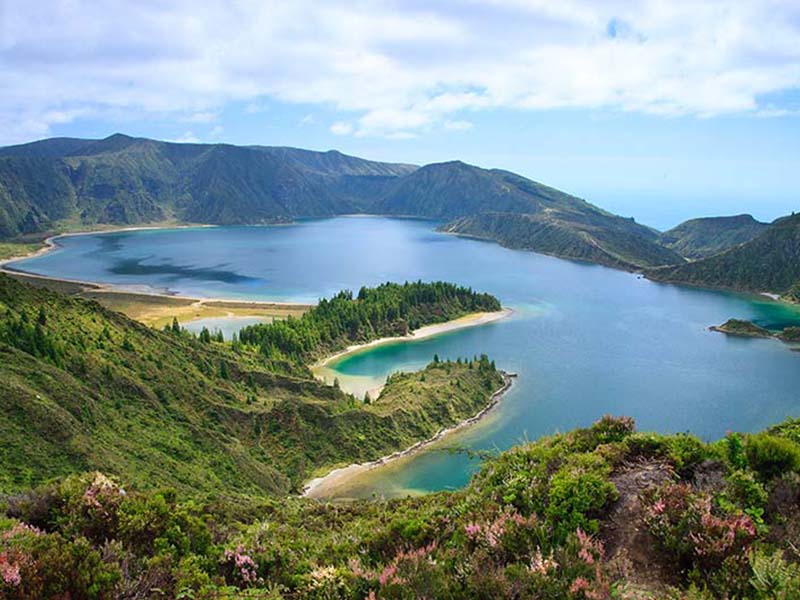
Source: Adobe Stock Author: Redaction Education is gaining a new dimension in the Azores, becoming strategically linked to the development of the space sector in Portugal. This focus reflects a long-term vision that seeks to connect education, science and innovation with the archipelago’s unique geographical position. In this context, education emerges as an essential pillar for preparing qualified human resources, strengthening scientific knowledge and enhancing the country’s competitiveness in a highly technological and global sector. The growing importance of the Azores in the space sector is directly linked to the ability to integrate education and research into structured projects. The island of Santa Maria stands out as a strategic point for space-related activities, creating opportunities for the development of advanced skills and for attracting investment. Education plays a decisive role here by ensuring specialised training and by promoting links between educational institutions, research centres and technological infrastructures. Education as the foundation of the space strategy Strengthening scientific and technological education is essential to support national ambition in the space sector. The creation of educational pathways focused on areas such as engineering, exact sciences, technology and innovation makes it possible to align the education system with emerging market needs. In the Azores, this commitment translates into valuing education as a driver of regional development and as a tool for retaining qualified talent. Education focused on space also contributes to Portugal’s greater integration into European research and innovation networks. By investing in advanced training and knowledge production, the country strengthens its ability to respond to global challenges, from Earth observation to communications and security. Education, in this framework, is not only a means of qualification but also a strategic factor for scientific and technological sovereignty. Regional development and educational capacity building The link between education and regional development is particularly significant in the Azores. The presence of infrastructures dedicated to the space sector creates conditions for education to have a practical and innovation-oriented application. This proximity between teaching, research and economic activity fosters the creation of knowledge ecosystems capable of generating added value and skilled employment. Education also contributes to diversifying the regional economy, reducing dependence on traditional sectors and opening up new opportunities linked to science and technology. The training of specialised professionals allows the Azores to establish themselves as a reference hub with not only regional but also national and European impact. In this sense, education functions as a structural element of territorial cohesion and international projection. Education, science and European cooperation Strengthening education in the space domain is aligned with a European vision of scientific cooperation. Participation in international programmes and projects requires education systems capable of training highly qualified professionals and producing relevant knowledge. Education in the Azores fits into this dynamic, benefiting from its geostrategic position and the existing capacity to host advanced research initiatives. By investing in education and science, Portugal reinforces its presence in areas that are critical to the future of the European Union. The alignment of educational, scientific and innovation policies makes it possible to create synergies that generate medium- and long-term results. Education thus emerges as a key factor in consolidating the space strategy and ensuring that the benefits of this investment are reflected in society and the economy. Future prospects for education in the Azores The future of education in the Azores depends on a continued commitment to qualification, research and innovation. The consolidation of the space sector creates a favourable environment for the development of new educational programmes, the attraction of students and researchers, and the strengthening of the link between knowledge and economic development. This trajectory helps to make education a central element of a sustainable growth strategy. In summary, education plays a decisive role in establishing the Azores as a strategic territory in the space sector. By bringing together training, science and innovation, education helps to strengthen Portugal’s position in the European context, promoting development, competitiveness and international projection.
Source: Adobe Stock Author: Redaction Inspection highlights gaps in student grant monitoring The General Inspectorate of Education and Science (IGEC) identified significant shortcomings in the oversight of student grants awarded in higher education. More than a third of universities and polytechnics do not have formal plans to verify the information provided by students. Between 2019 and 2024, 33 institutions were audited, with 12 of these failing to present any approved oversight plan. These deficiencies compromise the transparency of the system and increase the risk of grants being improperly awarded, highlighting the need to strengthen internal control and auditing mechanisms. Recommendation for mandatory approval of internal procedures The IGEC report suggests that the Ministry of Education consider making the approval of internal audit and oversight procedures mandatory in all higher education institutions. Oversight should not be limited to automatic grants but also include higher-risk applications, such as households with no declared income. This reinforcement would allow more rigorous monitoring and reduce the likelihood of grants being improperly awarded, ensuring greater efficiency in the management of public funds. Issues in verification and improper grant allocation Although most institutions can verify automatic grants by the end of the academic year, non-automatic grants are rarely checked after the final decision. Nine cases of improperly awarded grants were detected, including situations of academic non-compliance. In these cases, institutions are required to ensure the repayment of amounts disbursed. Grant oversight is therefore inconsistent, with gaps that may compromise fairness in access to higher education. Weaknesses in internal auditing and institutional communication The inspection revealed weaknesses in internal auditing, failures in communication between academic and student support services, and the absence of mechanisms to penalise false declarations in most institutions. Although legislation provides for severe sanctions in cases of fraud, none were applied during the period analysed. Improving student grant oversight requires stricter internal processes, adequate training for staff involved, and effective enforcement of sanctions in cases of non-compliance, safeguarding the legitimacy of the student support system.
Source: Adobe Stock Author: Redaction Increased funding for special education schools Funding for private special education schools in Portugal is set to receive a significant boost, with the Government promising to increase the amount allocated per student. Currently, schools receive €651 per month, and many institutions consider this amount insufficient to cover essential operating costs, including teachers’ salaries and maintenance. The aim is to adjust the funding to better reflect the real costs of special education, allowing these schools to continue supporting children and young people who do not find adequate provision in public education. The funding will be updated annually in line with inflation, ensuring greater financial stability for special education schools. This measure aims not only to address chronic underfunding but also to secure the continuity of educational provision for students with specific needs. In numbers, the five schools in the Lisbon area support around 500 students, and the proposed increase would raise the per-student allocation to €1,053 per month. Financial situation and need for intervention Prolonged underfunding has led private special education schools to face significant financial difficulties. Teachers, directors, staff, and families have expressed concern about the sustainability of these institutions, which play a vital role in the education system. The promise of an interim funding update will allow schools to settle any overdue salaries and strengthen staff payments, ensuring the quality of education is maintained. The Government’s plan foresees that the final funding amount will begin to be paid in September, increasing the total annual funding for the five schools from around €3 million to €5 million. Additionally, the law will be amended to ensure that funding is adjusted annually according to inflation, preventing further financial problems and providing greater predictability in planning special education provision. Impact on inclusive education This increase in funding reflects recognition of the importance of inclusive education and the essential role that private schools play when public education cannot meet all needs. The increased funding not only improves the schools’ operating conditions but also reinforces the State’s commitment to providing high-quality, accessible education for all students, regardless of their needs. Adequate funding for special education schools contributes to a more balanced education system, ensures the continuity of educational provision, and supports the development of children and young people with special needs. With these measures, a significant improvement in access to inclusive education is expected, promoting equal opportunities and quality learning.
Source: Adobe Stock Author: Redaction Education in Portugal is once again at the centre of public debate with the proposed changes to higher education entry rules. The Government announced its intention to reduce the minimum number of mandatory entrance exams from two to just one for most courses. This change follows a period of adaptation to stricter requirements recently introduced, which produced unexpected effects on the education system and on the number of applicants to higher education. Access to higher education and impact on education The previous model, which required at least two entrance exams for all courses, was justified as a means to reinforce academic standards and ensure students were better prepared. However, the results showed a significant decrease in the number of applicants, raising questions about the balance between rigour and accessibility in education. The current proposal aims to simplify the application process, keeping one entrance exam as the general rule. This change seeks to make access to higher education more proportional to the secondary school journey, recognising that students have already undergone national assessments before completing that stage of education. Despite the reduction in the minimum number of exams, higher education institutions retain the autonomy to define additional criteria. In more technical or highly specialised areas, such as certain engineering or health courses, two or even three exams may still be required. This flexibility allows higher education to adapt to the specifics of each scientific field without imposing a single model across the system. Balancing rigour and inclusion in education One of the main arguments for the change is the need to avoid excessive barriers to higher education. Requiring multiple exams can disadvantage students from more vulnerable socio-economic backgrounds, who do not always have the same preparation resources. By reducing the number of mandatory exams, the education system seeks to become more inclusive without compromising academic assessment. At the same time, there is concern to ensure that students entering higher education possess the necessary skills to follow their courses. This challenge places secondary education at the centre, highlighting the importance of teaching quality, continuous assessment, and alignment between study cycles. The proposal assumes that completing secondary education, combined with national exams, provides a sufficient basis for entry to most higher education courses. This approach values the overall school journey rather than performance in multiple specific exams, promoting a more integrated perspective on education. Consequences for the education system Changes to entry rules could significantly impact school planning, career guidance, and student preparation. Education now requires clearer alignment between what is taught in secondary school and what is expected at higher education, avoiding redundancies and gaps. For institutions, autonomy in defining entrance exams reinforces responsibility for selecting candidates while demanding greater transparency and clarity in criteria, so students can make informed decisions throughout their educational journey. Overall, this change reflects an attempt to align the education system with the country’s demographic and social realities. The drop in higher education applicants is a warning signal that cannot be ignored. Facilitating access while maintaining quality standards is one of the major challenges of current educational policies. Education as a foundation for development The debate around entrance exams goes beyond administrative issues. It is about defining what kind of education the country wants: more selective or more inclusive, more exam-focused or based on the overall student journey. The solution lies in finding a balance that promotes academic success, reduces dropouts, and values education as a driver of social and economic development. By simplifying access to higher education, the education system seeks to adapt to the needs of students and the labour market, reinforcing the importance of lifelong learning. These changes could contribute to a more accessible, diverse, and future-ready higher education system, consolidating education as a cornerstone of Portuguese society.
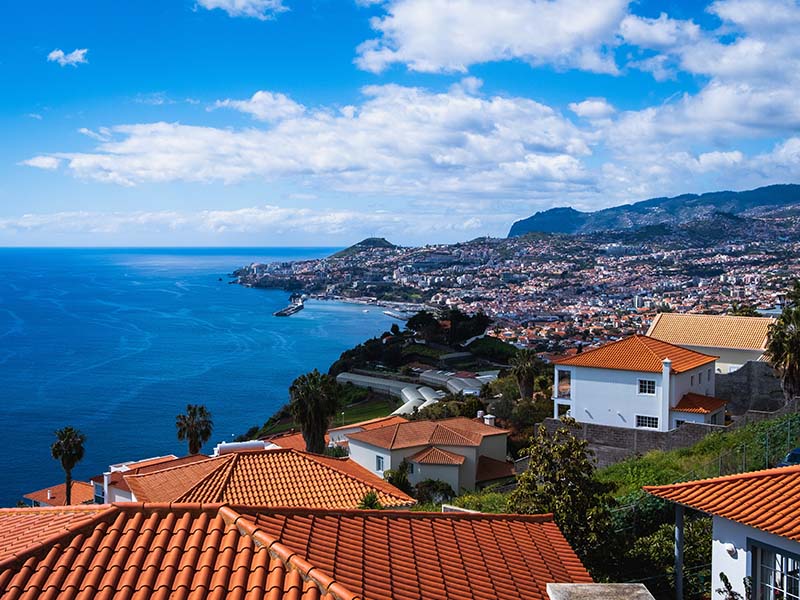
Source: Adobe Stock Author: Redaction Increase in budget and education priorities The Government of Madeira has allocated €539 million to the Regional Secretariat for Education, Science and Technology for 2026, reinforcing its commitment to improving teaching quality and valuing teachers. This amount represents an increase of €20 million compared to 2025, highlighting the regional government’s priority for educational policies and the promotion of higher quality and inclusive education. Of the total, approximately €495,800 is intended for the regular operation of schools, while €43.2 million will be applied to structural investments. The budget includes measures focused on continuous teacher training, promotion of scientific and digital literacy from the first cycle, and modernisation of educational infrastructures, enhancing the regional system’s capacity to provide quality education to all students. The allocation of resources also aims to ensure progression, salary updates, and recognition of teachers’ service time, reinforcing the commitment to valuing education professionals. These investments reflect a strategy that places human capital at the centre of educational policies, fostering the development of essential skills for the future of the Region. Investment projects and complementary measures The 2026 budget includes structured investment plans aimed at strengthening the educational system. Initiatives focus on improving teaching conditions, modernising technological equipment, and expanding innovative pedagogical programmes, ensuring that education in Madeira remains aligned with the best national and international practices. Additionally, the Region has strengthened psychosocial support for students, with bullying prevention and psychological support projects, maintaining a ratio of one psychologist for every 420 students. This measure positions education not only as a space for knowledge transmission but also as a safe and inclusive environment, promoting student well-being and holistic development. The planned investment also includes funding for technical and professional schools, such as the School of Hospitality and Tourism, aiming to attract more students and prepare skilled professionals for the regional market. These measures contribute to diversifying educational offerings and aligning training with Madeira’s socioeconomic needs, making education a driver of regional development. Impact of education on the Region The budget increase allows the region to address structural challenges and improve school performance indicators. By investing in education, the regional government not only raises teaching quality but also creates conditions for a sustainable future, promoting social inclusion and professional development of teachers. The budget plan also ensures strict oversight of resource allocation, guaranteeing efficiency and transparency in the use of investment. This approach strengthens trust within the educational community and ensures that every euro invested translates into tangible improvements in the education sector. Education in Madeira also emphasises the integration of students from diverse backgrounds, including those from outside the Region, and implements measures that promote equal opportunities and reduce inequalities. Education is therefore treated as a strategic priority, focusing on forming qualified citizens and promoting modern, inclusive, and sustainable education.


 English
 Português
 Français
 Español
 Deutsch
 Nederlands
 Русский
 中文(简体)